

If you’ve been fishing for a while, you might remember the feeling of old fishing rods—heavy, a bit clumsy, and not very sensitive. You’d often only know you had a bite when the rod was bent in half. But technology has completely changed the game. Are carbon fiber fishing rods more fragile? It’s a common question, but the real story is about performance. If you’re looking for the single biggest upgrade you can make to your fishing arsenal, this is it. We’re about to dive into why the material in your hand changes everything and why carbon fiber fishing rods are the undisputed modern standard. Once you understand the advantage, you’ll see why anglers are making the switch. You can experience the carbon fiber difference for yourself in our collection.
What Exactly is a Carbon Fiber (or Graphite) Fishing Rod?This allows rod designers to build rods that are thin anWhat Exactly is a Carbon Fiber (or Graphite) Fishing Rod?
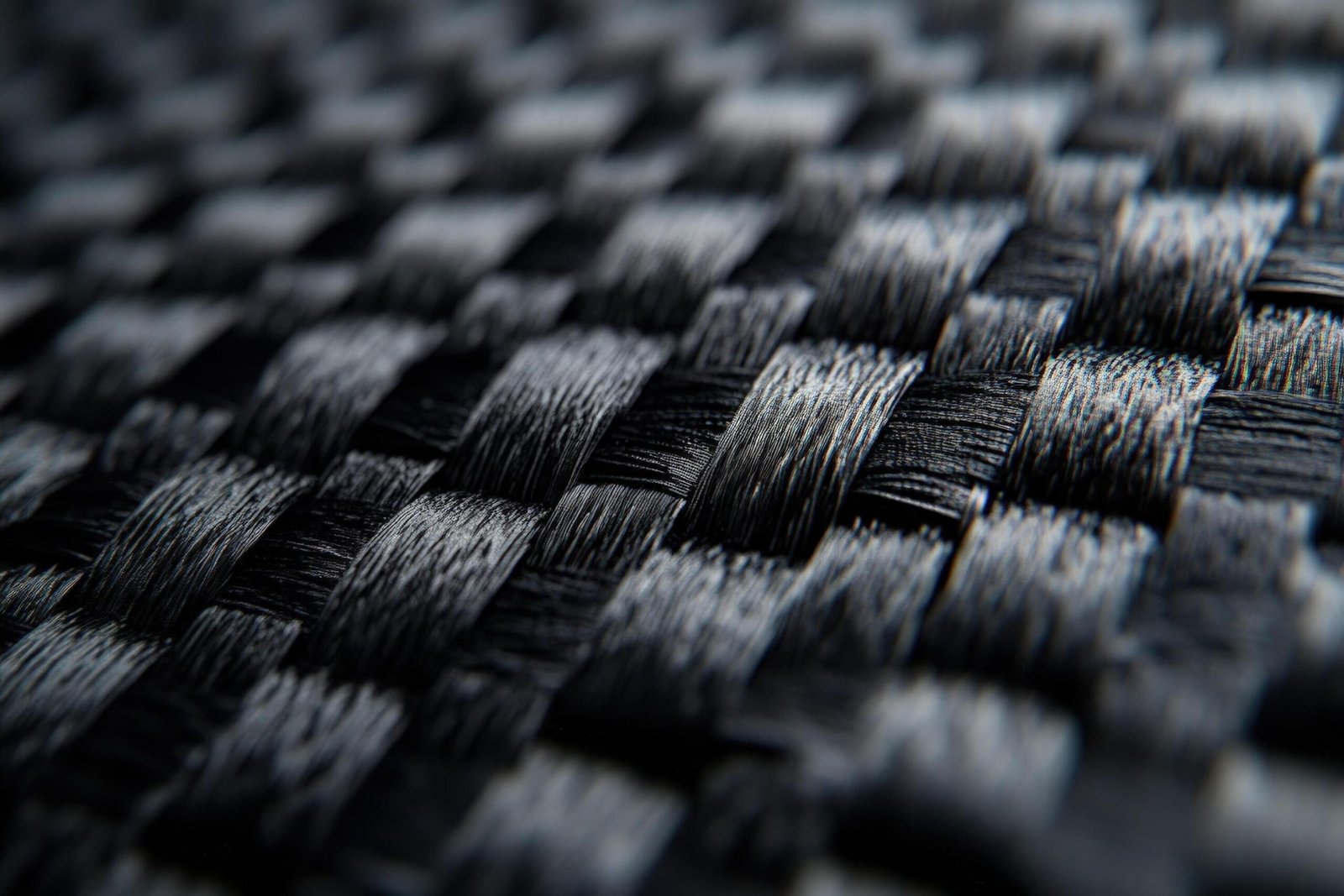
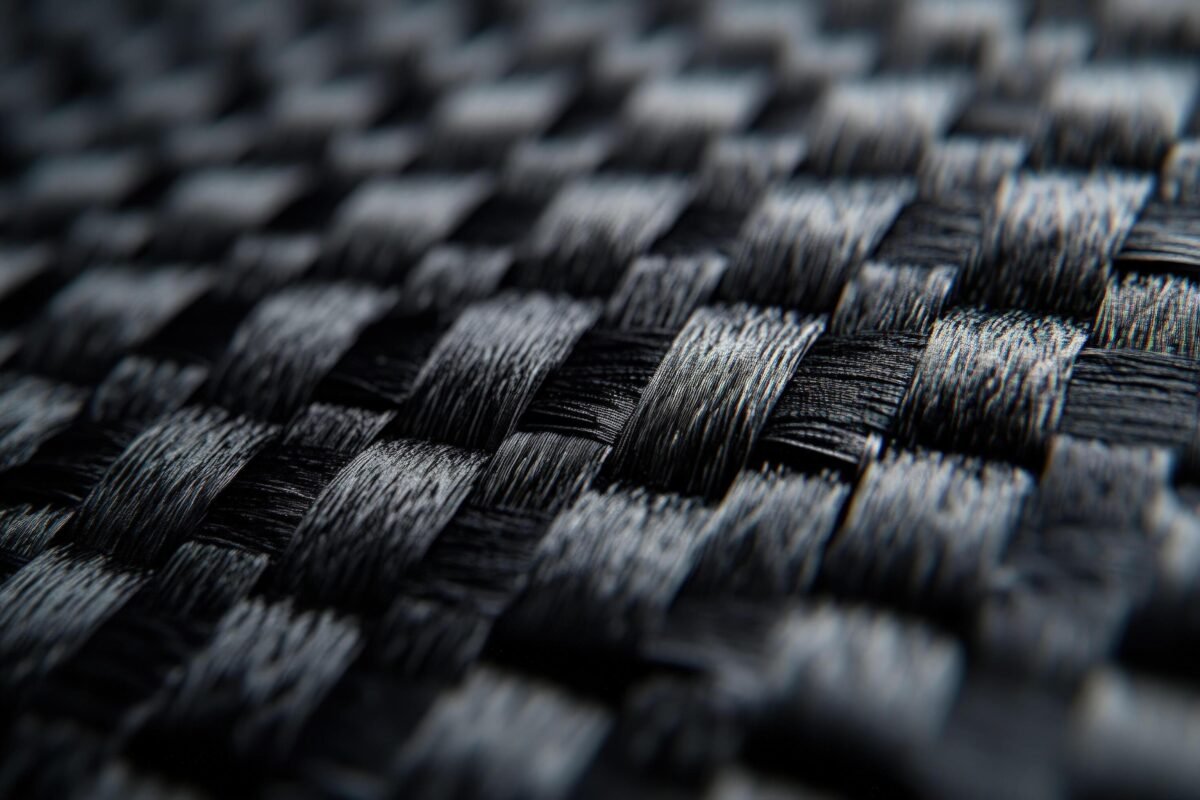
You’ll often hear the terms “carbon fiber” and “graphite” used interchangeably, and for good reason—they are essentially the same thing. A carbon fiber rod is built by rolling and heating sheets of carbon fiber material around a mold (called a mandrel) to create a rod blank that is incredibly light, strong, and stiff.
The Science in Simple Terms
Think of it like this: tiny, super-strong carbon fibers are held together in a resin. This creates a material that is denser and much stiffer than the fiberglass used in older rods. This stiffness is the secret to its incredible performance.
Why It’s Different from Fiberglass
Fiberglass is heavier and much more flexible. While this makes it very durable, that extra flex absorbs the subtle vibrations from your line, essentially numbing the feel of what’s happening at the end of your line. Carbon fiber, being stiffer, acts like a guitar string, transmitting every vibration directly to your hand.
Benefit #1: Unmatched Sensitivity – Feel Everything
This is the number one reason anglers upgrade. Sensitivity is your connection to the underwater world.
From Rod Tip to Fingertips
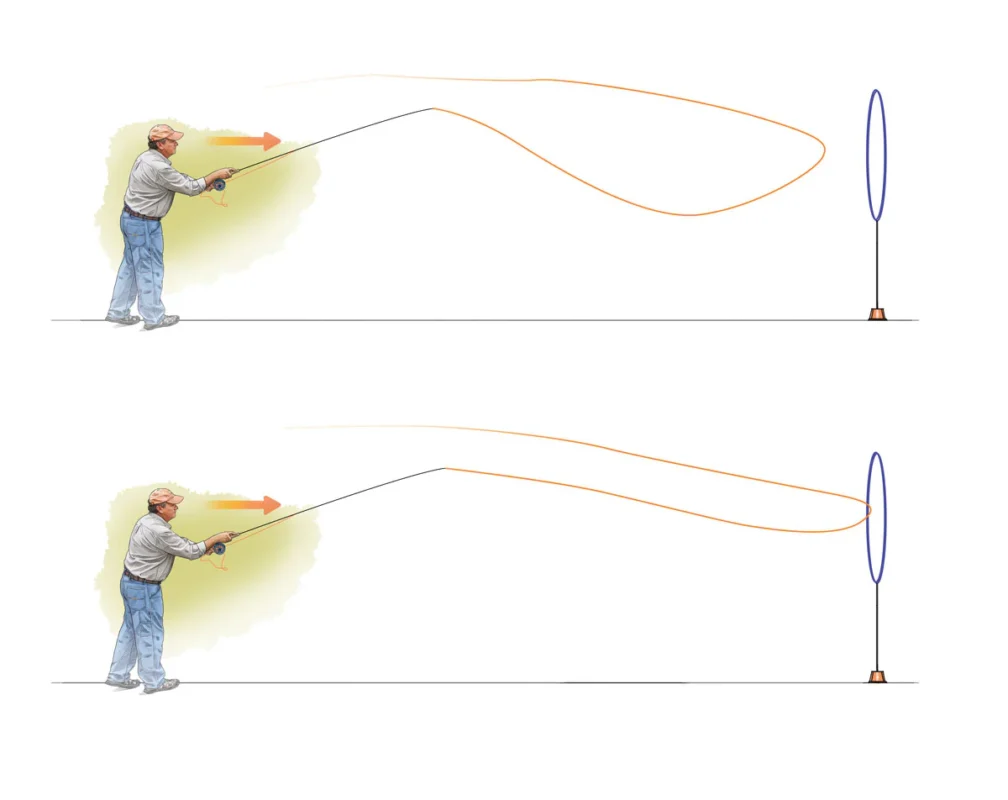
Because the carbon fibers are so rigid, the tiniest “tick” of a fish inhaling your bait, or your lure bumping over a rock, travels up the line, through the guides, and down the blank directly into your palm. You are literally feeling what’s happening dozens of yards away.
Detecting the Softest Bites
With a fiberglass rod, you might miss those subtle bites from cautious fish. With a lightweight fishing rod made of carbon fiber, that subtle pressure change becomes a distinct “thump” or “tick.” You’ll detect more bites, which directly leads to catching more fish. It’s that simple.
Benefit #2: The Lightweight Rod Advantage – Fish Longer
The second you pick up a carbon fiber rod, the difference is obvious. It feels like a feather compared to older rods.
Casting Without the Burn
A lighter rod means less swing weight. You can make hundreds of casts over a long day without the shoulder and wrist fatigue that comes with a heavier rod. Less fatigue means you stay sharp, focused, and ready for a strike.
More Control, Less Effort
The reduced weight of an ultra light fishing rod (even one with heavy power) gives you more precise control over your lure presentation. You can make quicker, more accurate casts and react faster when you do get a bite, leading to better hooksets.
Benefit #3: Incredible Strength-to-Weight Ratio
A common myth is that lightweight means weak. With carbon fiber, the opposite is true.
The Power Myth
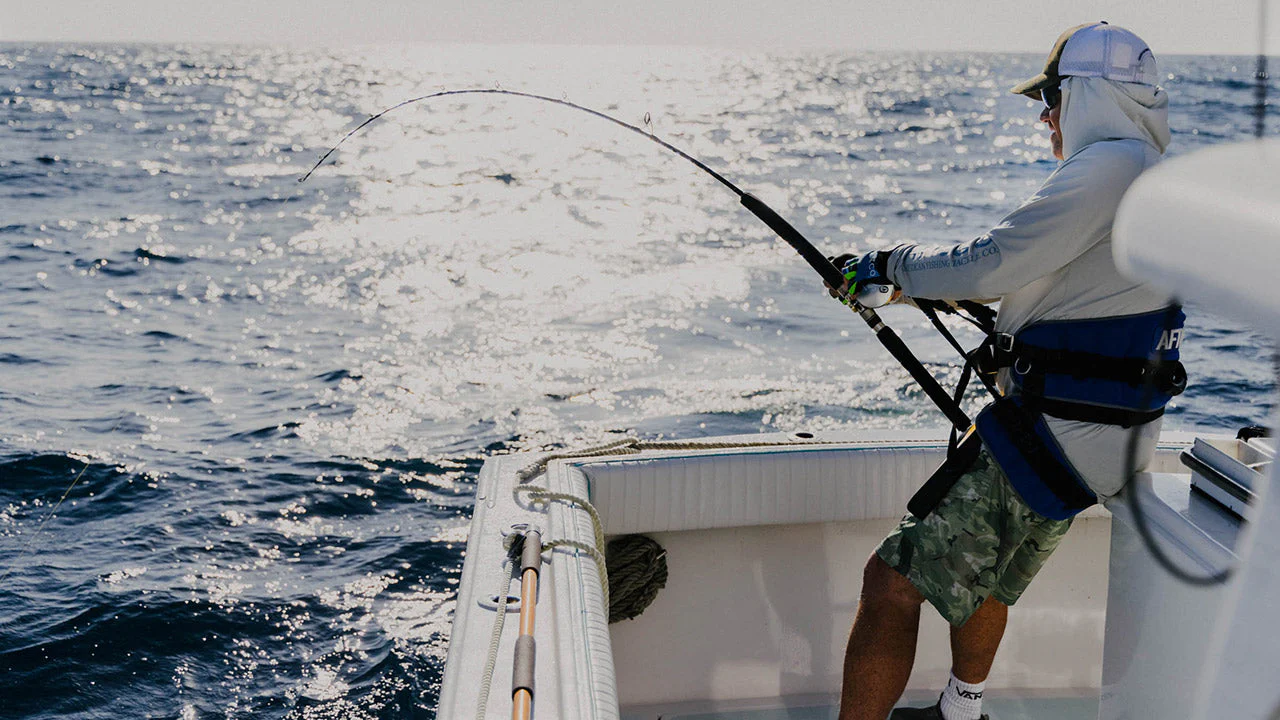
Don’t let the light weight fool you. Carbon fiber has an immense strength-to-weight ratio. This allows rod designers to build rods that are thin and light but have a powerful backbone for fighting big fish.
Lifting Power Explained
This “backbone” is the rod’s lifting power. When you need to pull a big bass out of heavy weeds or turn a powerful fish away from a snag, the rod’s carbon fibers provide the immense lifting power to get the job done, all in a package that weighs just a few ounces.
Carbon Fiber vs. Fiberglass: The Side-by-Side Comparison
Still on the fence? Let’s put them head-to-head.
| Feature | Carbon Fiber Rod | Fiberglass Rod |
|---|---|---|
| Sensitivity | Excellent | Poor |
| Weight | Very Light | Heavy |
| Strength | Excellent | Good (but requires more material) |
| Durability | Good | Excellent (more forgiving) |
| Cost | Moderate | Low |
Is It Time to Upgrade to a Carbon Fiber Rod?
If you want to feel more bites, cast all day without getting tired, and have more power to control the fish you hook, then the answer is a resounding yes. The difference isn’t just a minor improvement; it’s a fundamental change in your fishing experience. You’ll feel more connected to your lure and more in tune with the underwater environment.
You’ve learned the advantages. Now it’s time to feel them. Explore our collection of high-performance carbon fiber rods and discover your new favorite fishing tool.
FAQ: Your Top Carbon Fiber Rod Questions Answered
What do the “IM6,” “IM7,” or “IM8” ratings mean? These are marketing terms that refer to the “modulus” of the graphite—basically, its stiffness-to-weight ratio. A higher number (like IM8) means a stiffer, lighter, and more sensitive—and usually more expensive—carbon fiber is used. While a higher modulus is technically better, the leap in performance from fiberglass to any quality carbon fiber (like IM6 or IM7) is the most significant jump you’ll make.
Do I need the most expensive carbon fiber rod to see a difference? Absolutely not. This is where value comes in. An entry-level carbon fiber rod from a quality brand will be a massive upgrade and offer 90% of the benefits of a high-end rod, at a fraction of the price. The goal is to get the technology’s advantages, not the highest price tag.
Are carbon fiber rods more fragile? They are not necessarily more fragile, but they are less forgiving of abuse. Because they are so stiff, they can’t bend as far as fiberglass before reaching a breaking point. This means you should avoid “high-sticking” (lifting the rod past a 90-degree angle when fighting a fish) and be careful not to smack them against hard surfaces. With proper care, a quality carbon fiber rod will last for many years. Find a durable and affordable option by browsing our selection.