
Walk into any tackle shop and you’ll hear the endless debate: which fishing line is truly the best? For decades, anglers have sworn by their favorite type, leading to a lot of confusion for anyone just trying to spool their reel. What is the best all-around fishing line for a beginner? The honest answer is: there isn’t one. The real question is, which line is best for your specific situation? This guide will cut through the noise. We’re putting the three main types of fishing line—Monofilament, Braid, and Fluorocarbon—head-to-head in a clear, unbiased showdown. Let’s find the perfect line to help you land more fish. To see the high-performance lines we trust, explore our collection of mainlines and leaders.
The Classic Workhorse: Monofilament Fishing Line
Monofilament, or “mono,” is the classic, single-strand nylon line that many of us grew up with. It’s been a reliable staple for generations and still has its place in every angler’s arsenal.
What is Monofilament?
It’s a single strand of nylon extruded into a consistent diameter. It’s known for its notable stretch and ease of use, making it very user-friendly.
Pros (Stretchy, Forgiving, Easy to Tie)
The biggest advantage of mono is its stretch. This acts like a shock absorber, which can be very forgiving when a big fish makes a sudden run, preventing hooks from tearing out. It’s also easy to tie knots with and is the most affordable option.
Cons (Low Sensitivity, UV Degradation, Memory)
That same stretch is also its biggest weakness. It makes it difficult to feel subtle bites in deep water. Mono also weakens over time when exposed to sunlight and can develop “memory,” causing it to come off the spool in coils, which can reduce casting distance.
The Modern Powerhouse: Braided (PE) Fishing Line
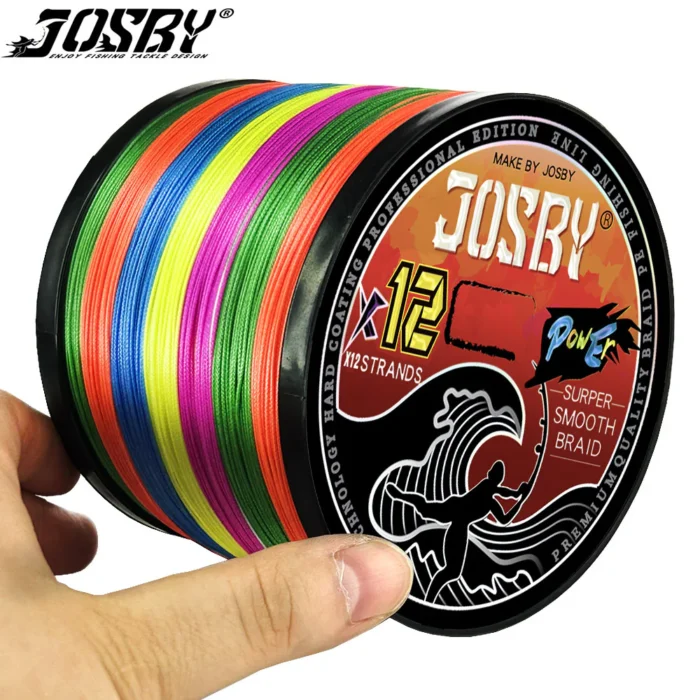
Braided line, often called “braid” or “PE line,” is a modern marvel of fishing technology. It’s not a single strand, but rather multiple strands of polyethylene (PE) fibers woven together.
What is Braided Line?
Think of it like a rope in miniature. Multiple strands (commonly 8 or 12) are braided together to create a line that is incredibly thin for its strength. This is the high-performance choice for serious anglers.
Pros (Zero Stretch, Incredible Strength, Thin Diameter)
The braided fishing line has three game-changing advantages. First, it has virtually zero stretch, meaning you can feel every single pebble, weed, and bite. Second, its strength-to-diameter ratio is off the charts; a 20lb braid can be as thin as 6lb mono. This allows for longer casts and helps lures dive deeper.
Cons (High Visibility, Needs Special Knots)
Braid’s main drawback is that it’s opaque and highly visible to fish underwater. It also requires specific knots (like the Palomar or Uni knot) to prevent slipping, and it’s more expensive than monofilament.
The Invisible Hunter: Fluorocarbon Fishing Line
Fluorocarbon was initially developed as a leader material but is now popular as a mainline for certain techniques. It offers a unique blend of properties.
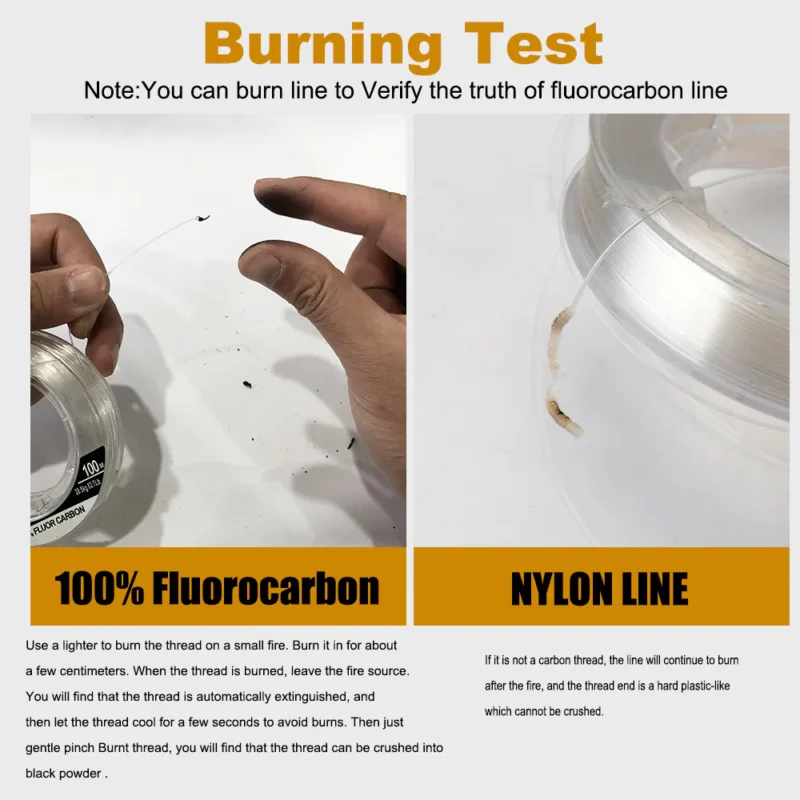
What is Fluorocarbon?
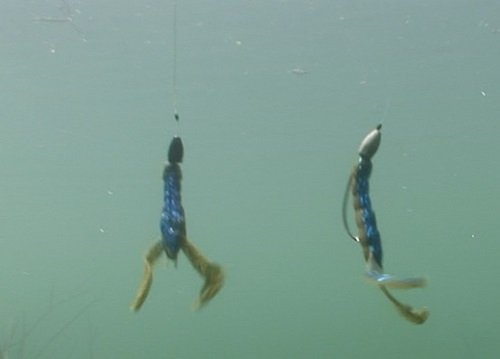
It is made from a high-density material (polyvinylidene fluoride) that has a light refractive index very close to that of water.
Pros (Nearly Invisible, Abrasion Resistant, Sensitive)
Its main claim to fame is that it’s nearly invisible underwater, making it the perfect choice for clear water and line-shy fish. It’s also extremely tough and abrasion-resistant, great for fishing around rocks and docks. Because it has less stretch than mono, it’s also quite sensitive.
Cons (Stiffness, Higher Cost, Knot Tying)
Fluorocarbon can be stiff and difficult to manage on spinning reels, especially in heavier pound tests. It is also the most expensive of the three and requires careful knot tying to maintain its strength.
Mono vs. Braid vs. Fluoro: A Quick Comparison Chart
To make it simple, here’s how the three lines stack up against each other on the most important features:
| Feature | Monofilament | Braided Line | Fluorocarbon |
|---|---|---|---|
| Stretch | High | Almost None | Low |
| Visibility | Low | High | Very Low |
| Strength-to-Diameter | Good | Excellent | Very Good |
| Abrasion Resistance | Good | Fair | Excellent |
| Cost | Low | High | Very High |
| Sensitivity | Low | Excellent | Good |
The Pro Angler’s Secret: Using a Fluorocarbon Leader
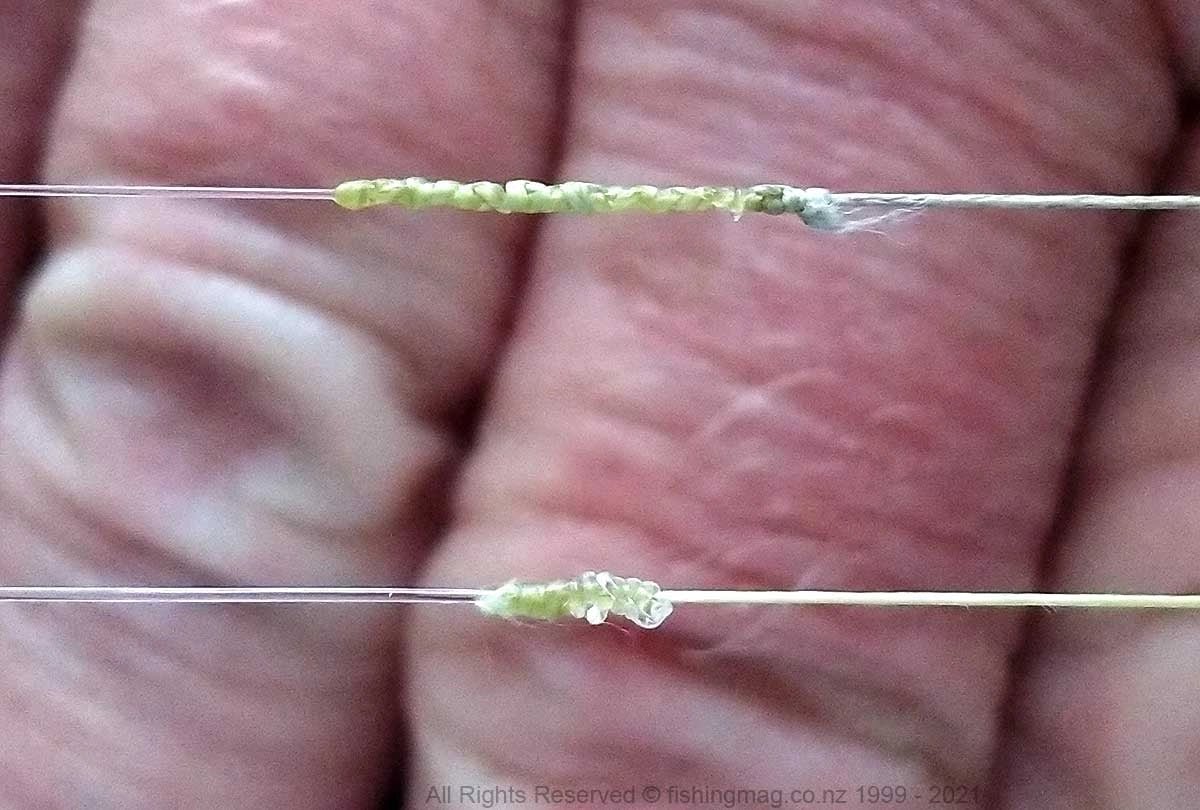
So, how do you get the best of all worlds? Do I always need to use a leader with braided line? While not always required, it’s the professional’s choice. By tying a 2-6 foot section of fluorocarbon fishing line leader to your braided mainline, you get a perfect combination.
Why You Should Combine Braid and a Leader
This setup gives you the incredible sensitivity and strength of your braid, while the end of your line connected to the lure is nearly invisible and abrasion-resistant thanks to the fluorocarbon. You get maximum performance without compromise.
How to Tie a Leader to Your Main Line
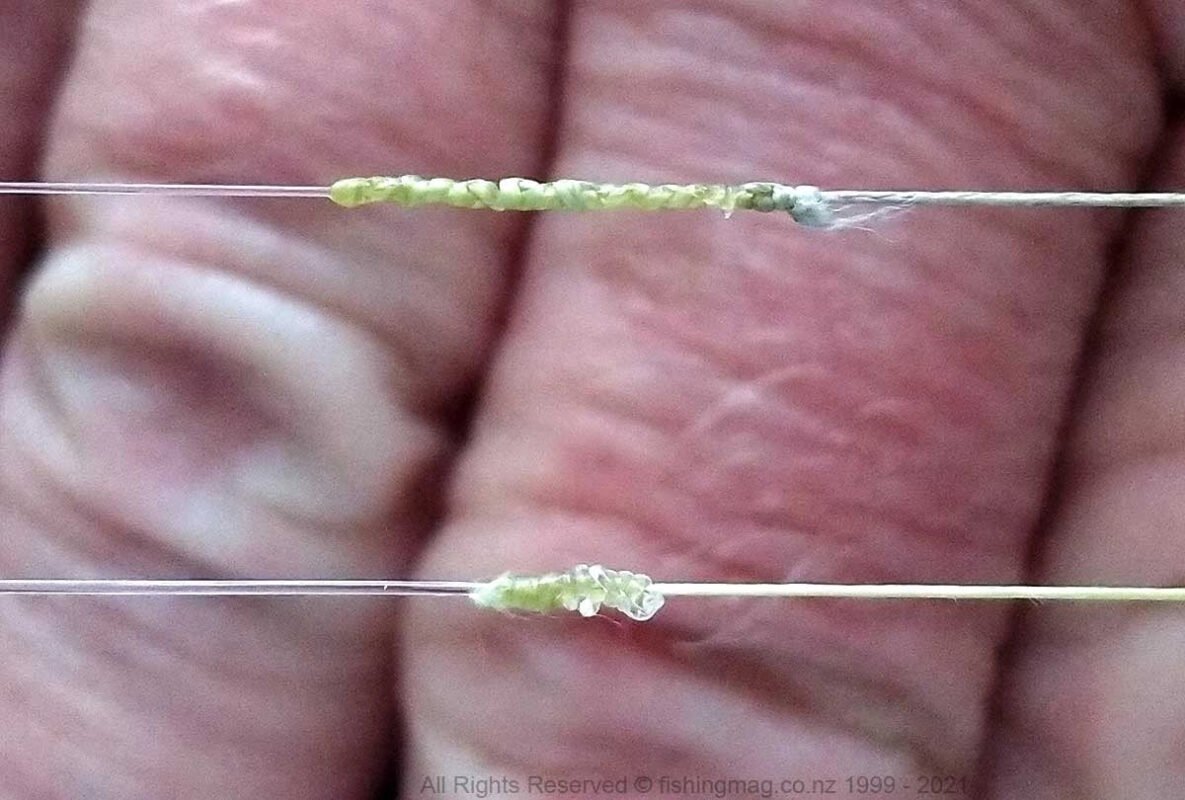
Connecting braid to a leader requires a special knot. The most popular and reliable are the “Double Uni Knot” and the “FG Knot.” A quick search for these on YouTube will provide excellent tutorials.
Which Line is Right for You?
So, which is the best fishing line? It depends on your needs:
- For Beginners on a Budget: Monofilament is a great, forgiving starting point.
- For Maximum Performance & Sensitivity: A braided mainline is unbeatable.
- For Clear Water & Finesse: Fluorocarbon is the top choice.
- For the Ultimate Setup: Combine a braided mainline with a fluorocarbon leader.
The choice is yours, based on your target fish, your location, and your technique. By understanding these differences, you can make a smart decision that puts more fish in your boat.
Ready to upgrade your line? Explore our high-performance Braided Mainlines and Fluorocarbon Leaders and feel the difference.
FAQ: Your Top Fishing Line Questions Answered
Can I spool my spinning reel entirely with fluorocarbon? You can, but it’s often not recommended for beginners. Fluorocarbon is stiffer than mono and can literally spring off the spool of a spinning reel, causing tangles. It’s much more manageable when used as a shorter leader or on a baitcasting reel.
What pound test line should I use? For general-purpose freshwater fishing for bass, walleye, or trout, a 8-12 lb test for monofilament or fluorocarbon, or a 15-30 lb test for braided line is a perfect starting point. The braid is much stronger for its diameter, so don’t be afraid of the higher number.
How often should I change my fishing line? For monofilament, it’s a good idea to change it at least once a season, as it degrades with sun exposure. High-quality braid and fluorocarbon can last for several seasons if properly cared for. If you see any frays or nicks, cut that section off immediately. Keeping your line fresh is one of the easiest ways to prevent losing a fish of a lifetime. Find the right line for your reel by browsing our shop.