

Have you ever walked into a tackle shop and felt a wave of anxiety? Staring at that giant wall of fishing lures—with thousands of shapes, sizes, and colors—is enough to make any beginner’s head spin. What one lure should every beginner have? It’s a tough question when you don’t even know where to start. But here’s the secret: almost every lure in that store can be simplified into two basic categories. This guide is here to demystify the world of artificial baits. We’ll break down the fundamental difference between hard baits and soft baits so you can master the basics and start filling your tackle box with confidence. For a look at lures that are proven to work without breaking the bank, you can explore our collection of essential lures.
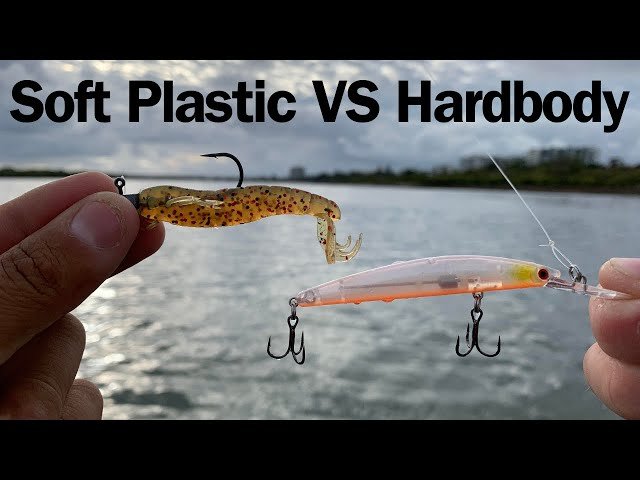
First, What’s the Difference? Lure vs. Bait Explained
Before we dive in, let’s clear up some common confusion. What’s the difference between all the fishing baits and lures?
Bait
“Bait” typically refers to something natural and organic. Think live worms, minnows, or even pieces of corn. Bait appeals to a fish’s sense of smell and taste.
Lures
“Lures,” on the other hand, are artificial. They are made of plastic, metal, or wood and are designed to imitate the look and movement of prey. Lures trigger a fish’s predatory instinct through sight, vibration, and sound. This guide will focus entirely on lures.
The World of Hard Bait Lures: Action & Attraction
As the name suggests, hard bait lures are made from rigid materials. They are designed to create a disturbance in the water, whether through wobbling, rattling, or splashing, to attract aggressive fish from a distance.
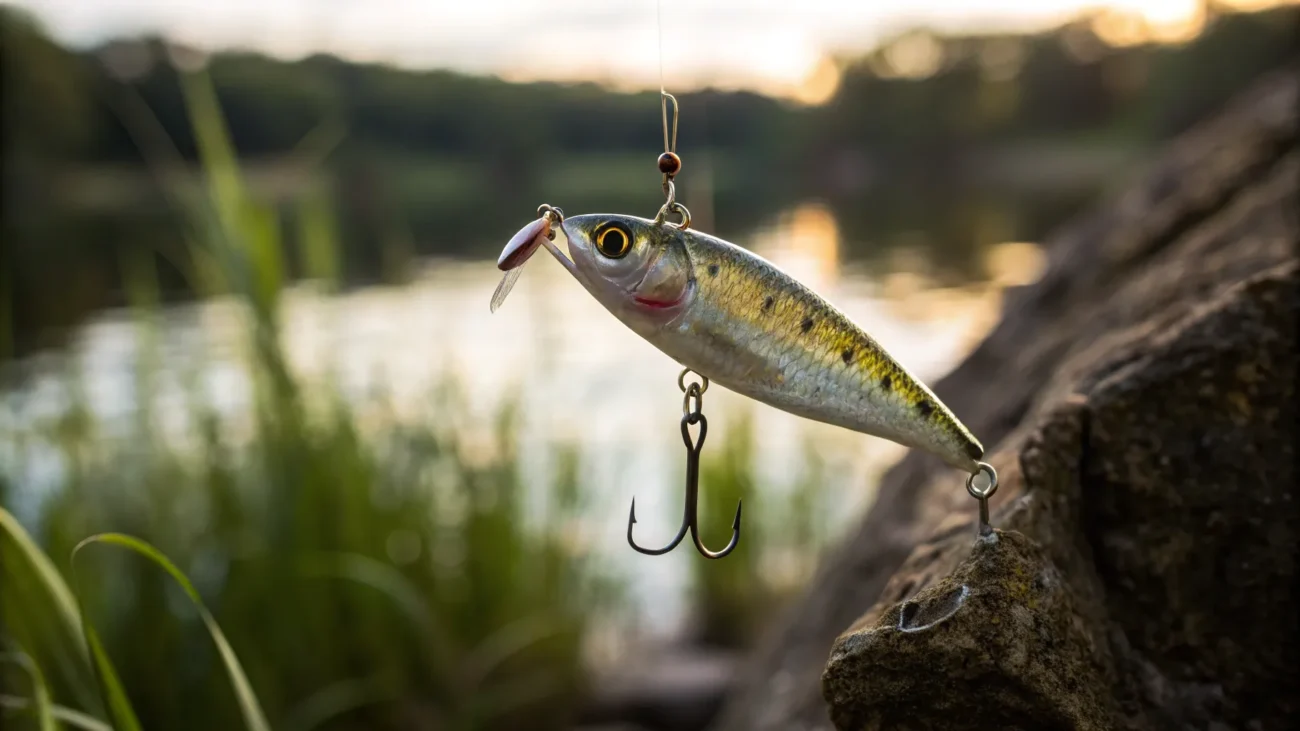
Topwater Lures (Surface Explosions)
These lures float on the surface and are designed to mimic injured baitfish or frogs. They “pop,” “walk,” or splash across the water, often triggering explosive and visually thrilling strikes. They’re most effective in calm, low-light conditions like dawn and dusk.
Diving Crankbaits (Covering the Water Column)
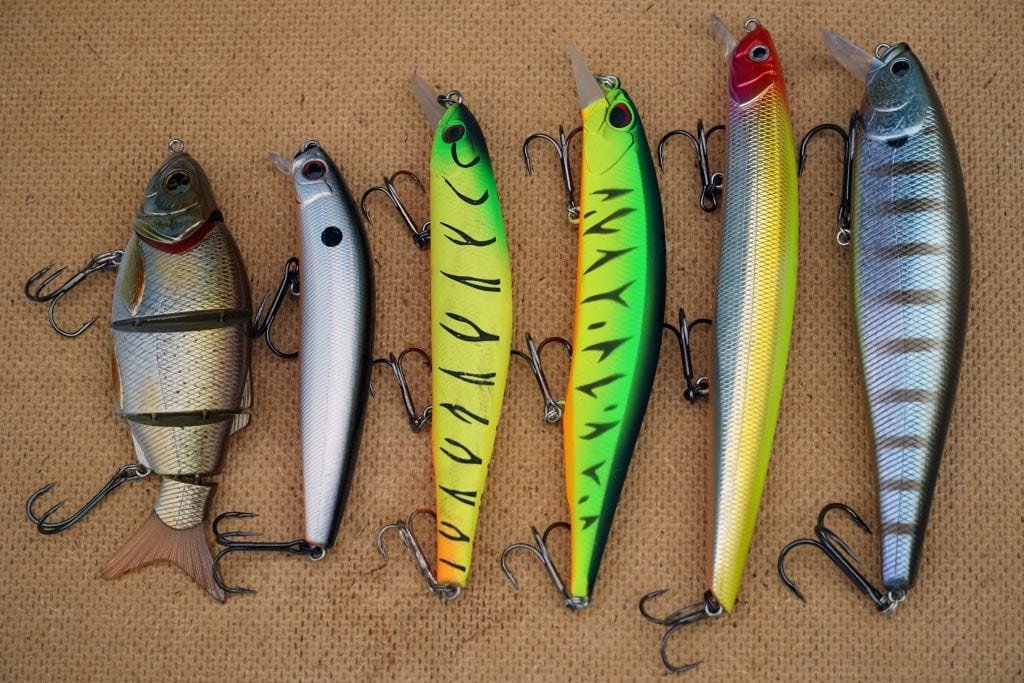
Crankbaits are lures with a plastic lip, or “bill,” on the front. When you retrieve them, this bill catches the water and forces the lure to dive. The size and angle of the bill determine how deep it dives. This makes them perfect for quickly searching different depths to find where the fish are hiding.
Multi-Section Swimbaits (Ultra-Realistic Imitations)
One of the most exciting types of hard baits, swimbaits are made of multiple segments connected by joints. This allows them to swim with an incredibly realistic, S-shaped motion that perfectly imitates a baitfish. These are fantastic for targeting larger, smarter fish that might ignore less realistic presentations.
The Versatility of Soft Bait Lures: Realism & Finesse
Soft bait lures are made from pliable plastic, giving them a supple, lifelike texture and movement that fish find hard to resist. Their versatility is unmatched.
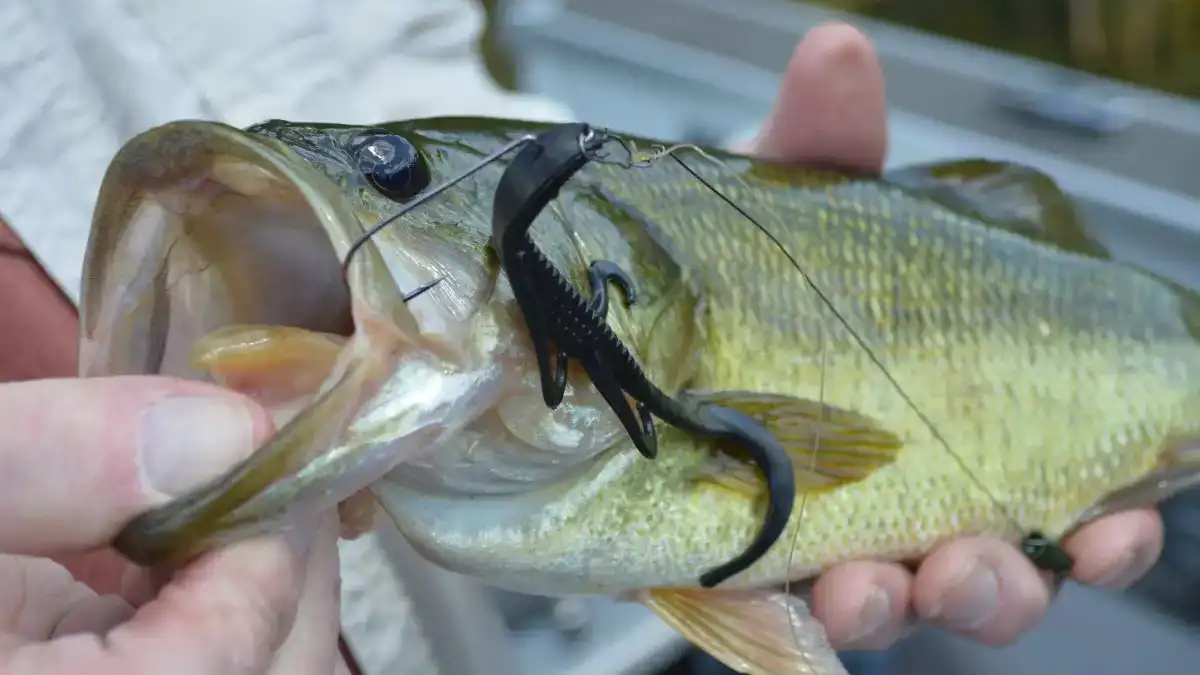
Plastic Worms & Creature Baits (Bottom Bouncers)
The simple plastic worm is arguably responsible for catching more bass than any other lure in history. Rigged in various ways (like the Texas Rig or Wacky Rig), they are perfect for slowly probing the bottom, where big fish often lurk. Creature baits are variations with extra appendages that create more subtle action.
Paddle Tail Swimbaits (Lifelike Swimming Action)
These soft plastic baits have a distinct “boot” tail that kicks and thumps as it moves through the water. When rigged on a weighted hook or jig head, they create a subtle, natural swimming motion that is deadly effective in all conditions, especially in clear water where realism is key.
Hard Baits vs. Soft Baits: Which One Should You Use?
So, when do you reach for a hard bait versus a soft bait? Here’s a simple breakdown.
| Situation | Best Choice | Why? |
|---|---|---|
| Windy Conditions | Hard Bait | Heavier weight makes casting easier and more accurate. |
| Searching for Fish | Hard Bait | You can retrieve them quickly to cover a lot of water. |
| Aggressive/Active Fish | Hard Bait | The noise and vibration trigger reaction strikes. |
| Clear Water | Soft Bait | The subtle, realistic action is more convincing to wary fish. |
| High-Pressure Areas | Soft Bait | A silent, natural presentation often works when fish have seen it all. |
| Targeting Specific Spots | Soft Bait | Can be fished very slowly and precisely around cover like logs or docks. |
When to Choose Hard Baits (Aggressive Fish, Covering Water)
In short, use hard baits when you need to find fish fast. Their sound and action act like a dinner bell, calling in active predators from a distance.
When to Choose Soft Baits (Fickle Fish, Precise Locations)
Use soft baits when you know where fish are but they won’t commit to a faster-moving lure. Their quiet, lifelike appeal is perfect for finesse situations.
How to Build Your First Lure Arsenal on a Budget
You don’t need a hundred different lures to get started. The key is versatility. By choosing one or two proven lures from each key category, you can be prepared for almost any situation you encounter. This is the foundation of a great tackle box.
The lure vs bait debate is simple: both work, but lures offer an active, engaging way to fish. By understanding the core differences between hard and soft baits, you’re ready to make smart choices and stop guessing. You’re ready to build an arsenal of lures that actually catch fish.
Ready to start building your collection? Explore our collection of essential lures that are proven performers, selected to give you the best value and performance.
FAQ: Your Top Beginner Lure Questions Answered
Does lure color really matter? Yes, but don’t overthink it. A simple rule of thumb is: use natural colors (greens, browns, silver) in clear water and bright or dark colors (chartreuse, black, blue) in murky or stained water. The goal is to create a visible and believable silhouette.
How do I know what size lure to use? Try to “match the hatch.” This means using a lure that is roughly the same size as the natural baitfish (like minnows or shad) in the body of water you’re fishing. A 3-5 inch lure is a fantastic and versatile starting size for most freshwater species.
I bought a multi-section swimbait, how do I use it? The beauty of a multi-section swimbait lure is its simplicity. Cast it out and retrieve it with a slow, steady pace. The lure is designed to create its own swimming action. You can add occasional pauses or twitches with your rod tip to make it look like an injured, easy meal. It’s an incredibly effective and easy way to use a lure. Find your next favorite lure by browsing our shop.