
What is the best color for walleye lures? This is just one of the many questions beginners ask when trying to solve the walleye puzzle. This guide will teach you how to catch walleye by understanding their unique biology, locating their hiding spots, and using the right gear to feel every bite.
Understanding Walleye Behavior: The “Marble Eye” Advantage
To catch walleye consistently, you must understand their eyes. Walleye have a specialized layer behind their retina called the tapetum lucidum. This allows them to see clearly in near-darkness.
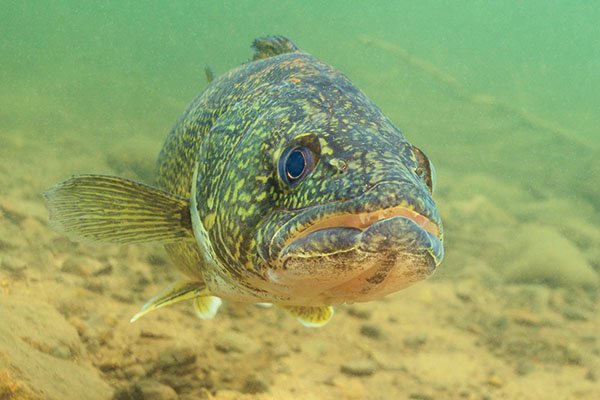
Why Walleye Feed in Low Light Conditions
Because they have a massive visual advantage in low light, walleye are most active during “prime time”—dawn and dusk. During the day, they often retreat to deep water or thick weeds to escape the sun. If you are fishing mid-day, look for deep shadows or stained water where their eyes aren’t overwhelmed.
The Importance of Water Clarity and Depth
In crystal clear lakes, walleye may stay in 20-30 feet of water during the day. In murkier “tea-colored” lakes, they might stay in the shallows all day long. Always adjust your depth based on how much light is penetrating the water.
Where to Find Walleye: Locating the School
Walleye are schooling fish. If you find one, you have likely found twenty. The challenge is finding the specific “structure” they are holding on.
Structural Elements: Points, Drop-offs, and Reefs
Walleye love transitions. Look for areas where a shallow flat suddenly drops off into deep water. Hard bottoms like gravel bars, rock reefs, and sandy points are classic walleye magnets. They use these areas to ambush baitfish that swim by.
Following the Wind: The “Walleye Chop” Explained
Experienced anglers love a windy day, often called the “Walleye Chop.” Wind stirs up the water, reduces light penetration, and pushes baitfish toward the shore. If the wind is blowing hard against a specific point or shoreline, that is exactly where the walleye will be feeding.
Essential Walleye Fishing Techniques: The Power of the Jig
While there are many ways to fish, vertical jigging is the gold standard for walleye. It allows for extreme precision in deep water.
Vertical Jigging: Precision in Deep Water
Position your boat directly over a drop-off or reef. Drop your jig straight down until it hits the bottom. Lift it up 6-12 inches and let it fall back down on a “semi-taut” line. Most walleye will hit the lure as it is falling.
The “Tick”: Learning to Feel the Subtle Bite
A walleye rarely slams a lure. Instead, they “inhale” it. You might feel a slight weight change or a tiny “tick” on your rod. This is why having a high-sensitivity setup is so important. If you don’t feel that tick, the walleye will spit the lure out before you can set the hook.
Choosing the Best Walleye Lures for Success
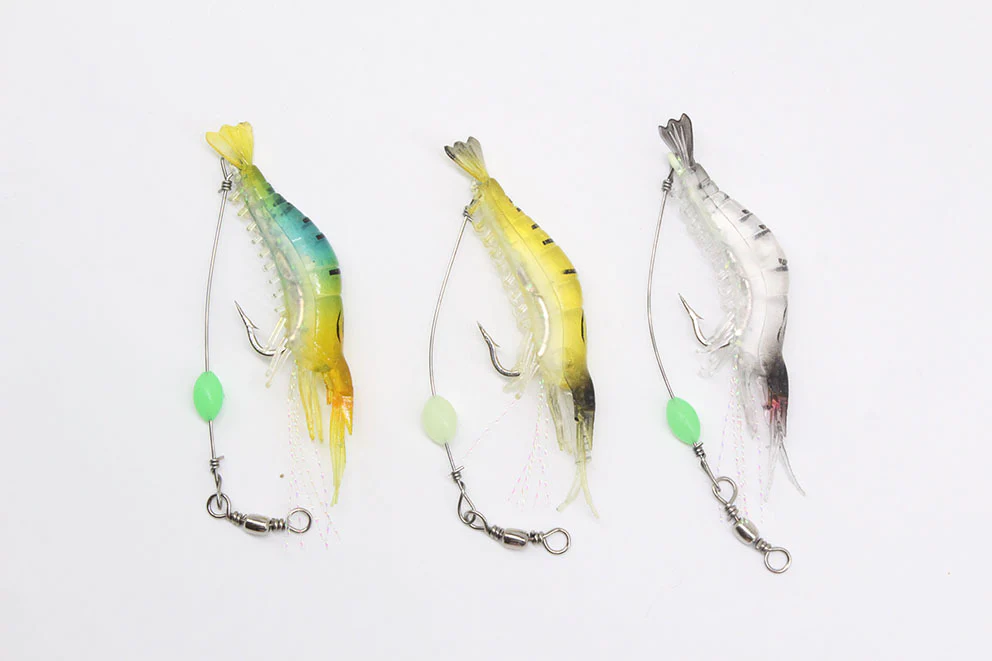
Your lure choice should match the activity level of the fish. Here are the to keep in your tackle box:
Lead-Head Jigs: The #1 choice. Pair a 1/8 to 3/8 oz jig with a soft plastic grub or a paddle tail. Bright colors like chartreuse, orange, and “pink pearl” are legendary walleye producers.
Deep-Diving Crankbaits: Excellent for trolling across large flats to find schools of fish. They mimic fleeing minnows and cover a lot of ground.
Blade Baits: These metal lures vibrate intensely. They are perfect for aggressive fish in cold water during the spring and fall.
Gear Setup: Why Sensitivity is Non-Negotiable
Walleye fishing is a game of “feel.” If your rod is heavy and numb, you are fishing blind.
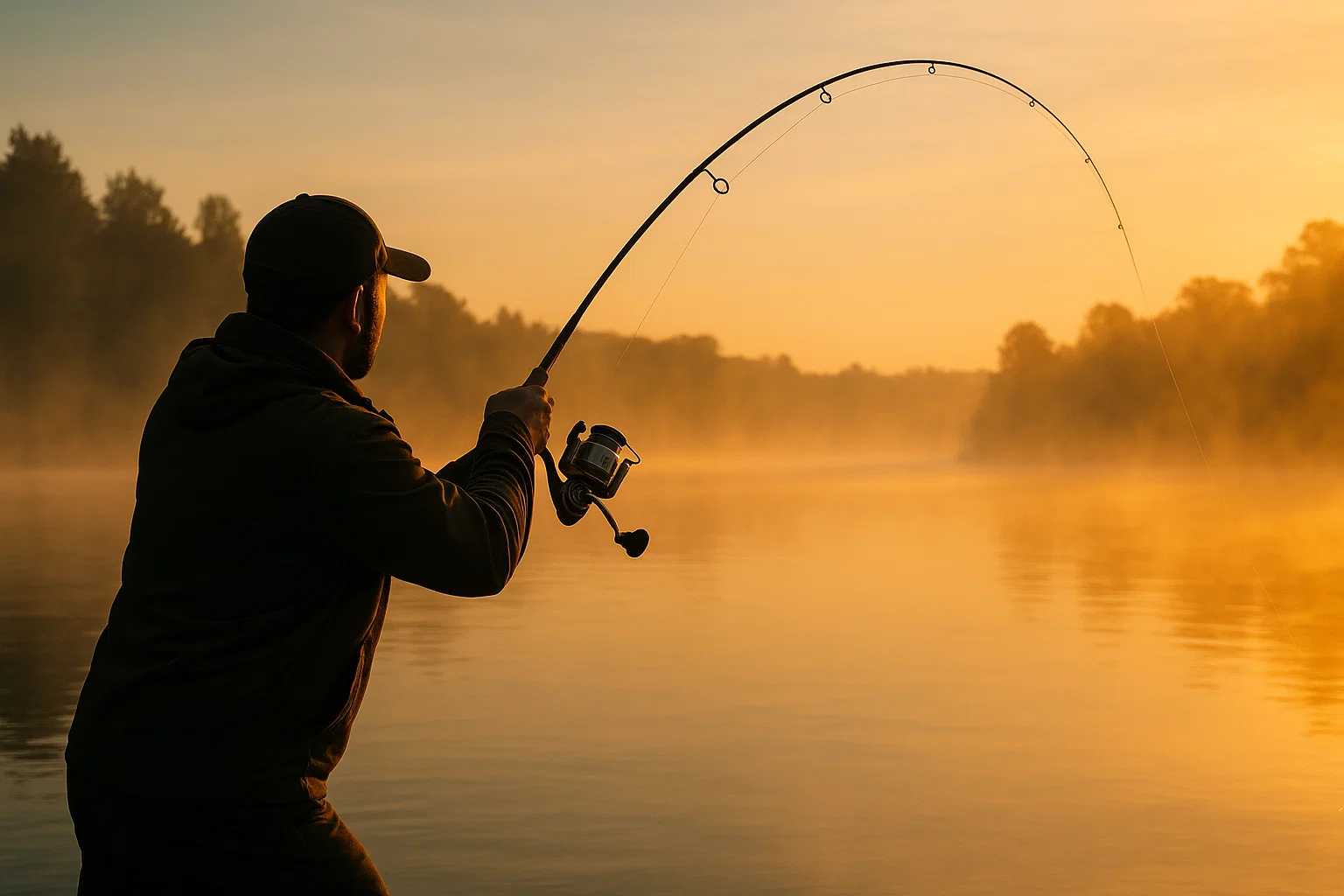
Choosing a High-Sensitivity Carbon Fiber Rod
To detect those ghostly walleye bites, a is essential. Carbon fiber transmits vibrations much faster than fiberglass, allowing you to react the instant a walleye breathes on your lure. You can read more about for this type of finesse fishing.
Using Braided Line for Instant Strike Detection
We highly recommend using . Braid has zero stretch, which means every vibration from the bottom—and every bite—is sent directly to your hand. Pair it with a fluorocarbon leader to remain invisible to those sharp walleye eyes.
Master the Gold, Fill the Cooler
Walleye fishing requires patience and the right equipment, but the reward is worth it. By focusing on low-light periods, fishing hard-bottom structures, and using high-sensitivity gear, you will significantly improve your catch rate. Remember: keep your jig near the bottom, stay vertical, and wait for that “tick.”
Ready to upgrade your walleye game? and start filling your cooler with the best-tasting fish in the lake.
FAQ: Top Walleye Fishing Questions Answered
What is the best color for walleye lures? It depends on the water. In stained or “dirty” water, use high-visibility colors like chartreuse, bright orange, or “firetiger.” In clear water, stick to natural colors like silver, white, or translucent purples that mimic real minnows.
Do I need a fluorocarbon leader for walleye? Yes. Walleye have excellent vision and can be line-shy. A 6-8lb fluorocarbon leader provides the invisibility you need while maintaining the strength required to pull them out of the rocks.
What is the best time of day to fish for walleye? The “Walleye Dawn” and “Walleye Dusk” are the most productive times. If you fish at night, walleye often move into very shallow water (5-10 feet) to feed on active baitfish. During the day, look deeper. Find the right lures for every time of day by