

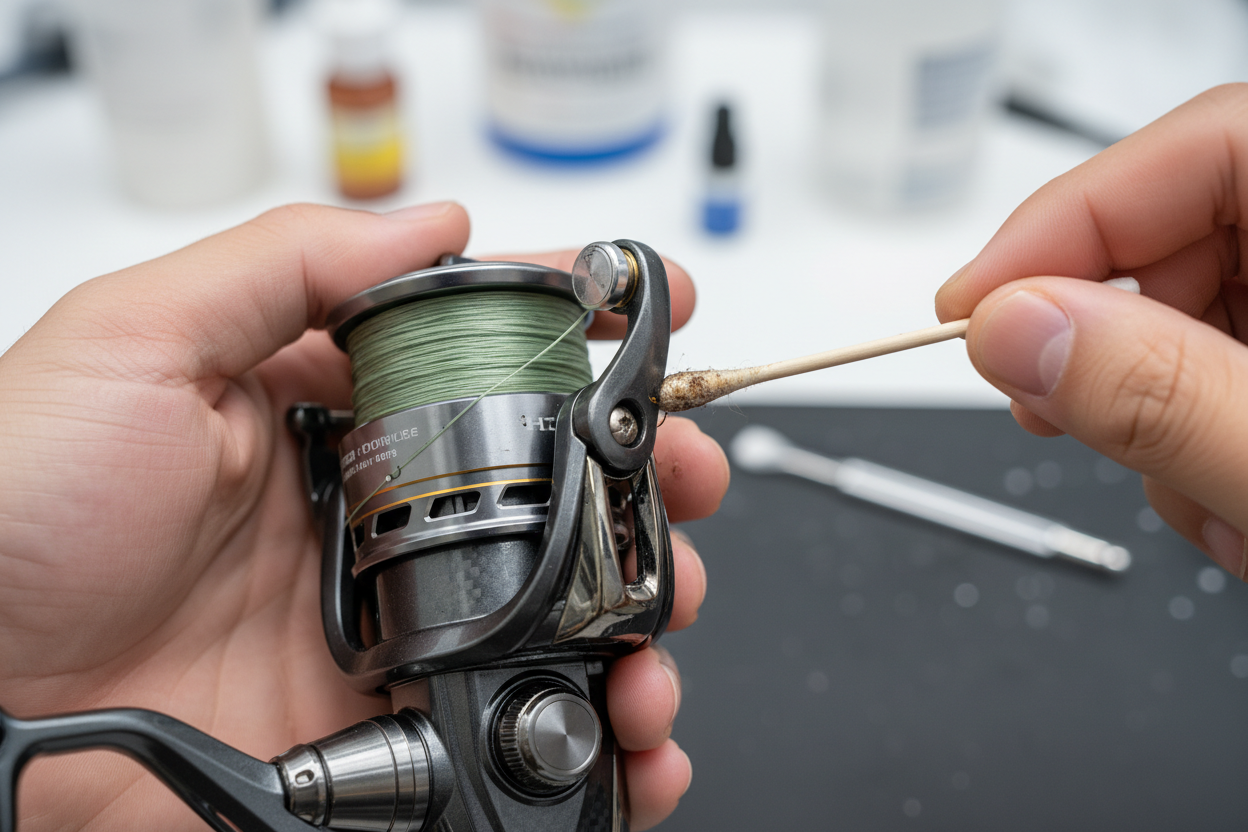
how to clean a fishing reel is the most important part of fishing reel maintenance. This guide will show you how.
Why Regular Reel Cleaning is Non-Negotiable
A fishing reel is a piece of precision machinery with gears, bearings, and tight tolerances. When you’re out on the water, it’s constantly exposed to the elements.
The Enemies: Salt, Sand, and Dirt
Salt is the ultimate destroyer. It crystallizes and corrodes metal parts, including bearings and gears. Sand and dirt work their way into the reel’s moving parts, acting like sandpaper and causing premature wear and that awful grinding feeling.
How Gunk Affects Performance and Durability
This buildup of grime will reduce your casting distance, create a rough retrieve, and can eventually cause the gears to fail completely. Regular cleaning flushes out these contaminants, protecting your investment and keeping your gear in peak fighting shape.
Your Reel Cleaning Toolkit: What You’ll Need
You don’t need a professional workshop to perform a basic, effective cleaning. In fact, you probably have most of these items already.

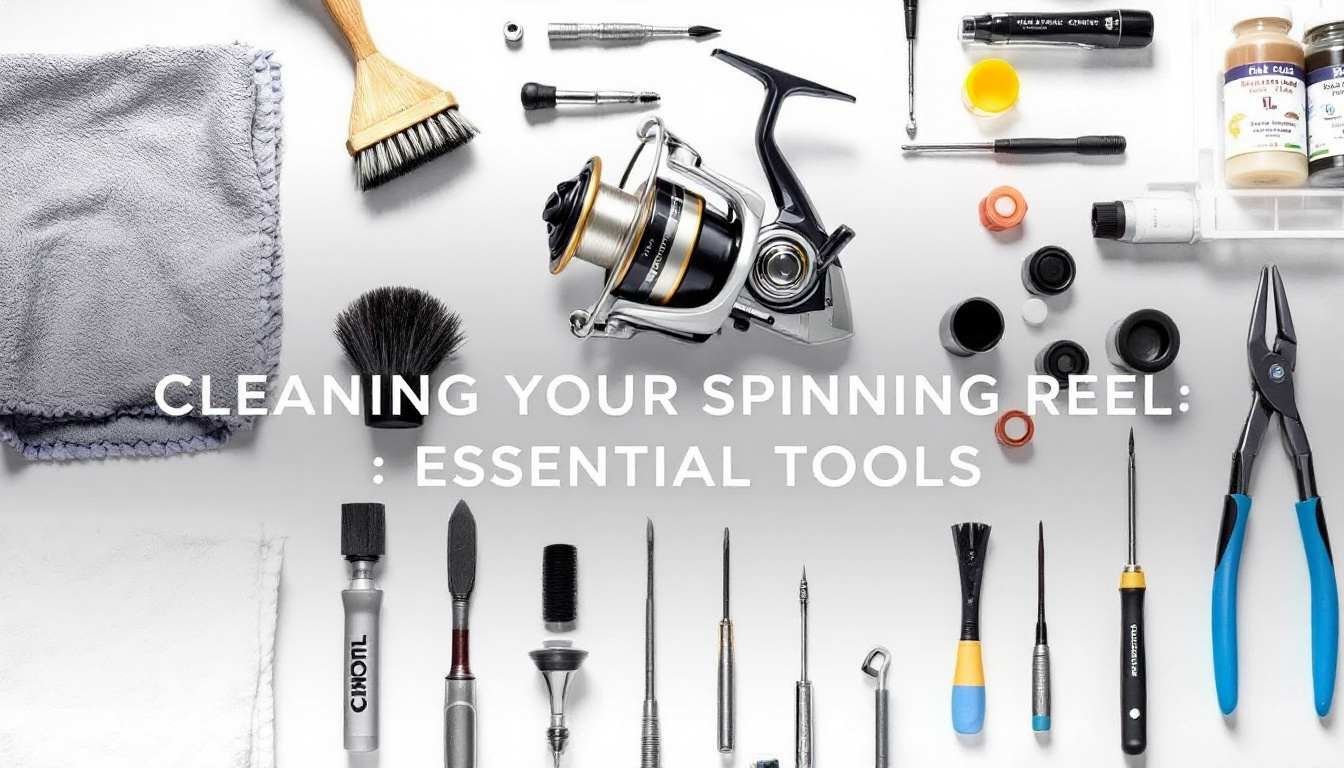
Soft Bristle Brush (like an old toothbrush)
This is perfect for gently scrubbing away grit from the reel body and spool without scratching the finish.
Microfiber Cloths & Cotton Swabs
A cloth is for general wipe-downs, and cotton swabs are the secret weapon for getting into tight spaces like the line roller and bail arm springs.
Fishing Reel Oil & Grease (and why they’re different)
This is crucial. You need lubricants designed specifically for fishing reels. We’ll cover exactly where and why to use each one later in the guide.
The Step-by-Step Guide to Cleaning Your Spinning Reel
This is a simple, safe cleaning method that does NOT require you to open the main gearbox. It’s a routine you can do after every few trips.

Step 1: The Quick Exterior Rinse & Wipe-Down
Start by lightly spraying the reel with fresh water to remove any loose salt or sand. Do not use a high-pressure jet, as this can force debris deeper into the reel. After rinsing, wipe the entire exterior with a microfiber cloth.
Step 2: Remove the Spool and Handle
Unscrew the drag knob completely to remove the spool. Then, unscrew the handle. This gives you access to the key areas that collect the most gunk.
Step 3: Deep Clean the Body and Spool
Use your soft brush and cotton swabs to gently clean all the nooks and crannies of the reel body, the spool (inside and out), and the handle. Remove any old, dirty grease or visible grime.
Step 4: The Art of Lubrication (Oil vs. Grease)
This is the most important part of spinning reel cleaning. Using the right lubricant in the right place is key.

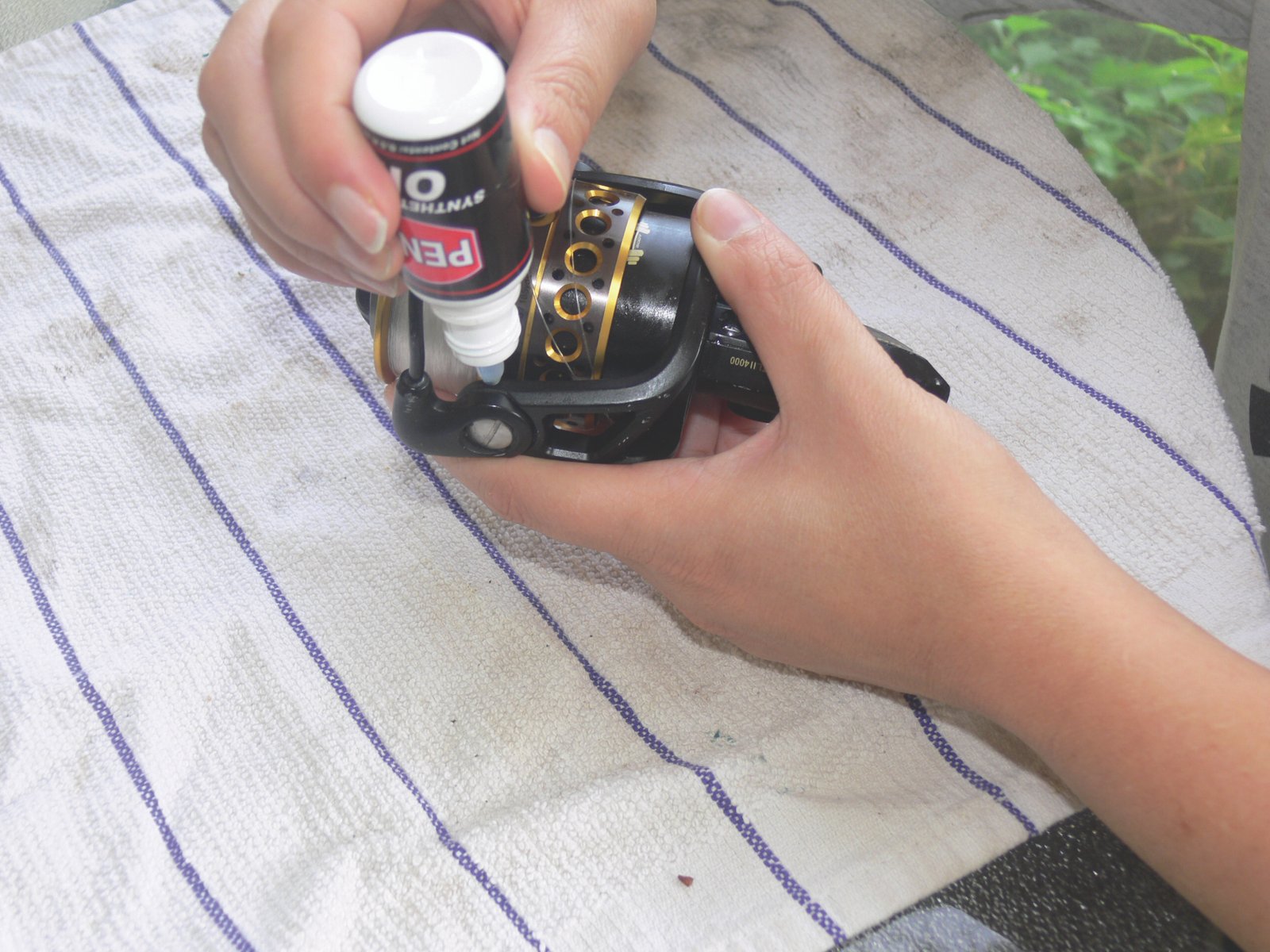
Fishing Reel Oil: Oil is for high-speed, small parts. Apply ONE small drop to the line roller bearing, the handle knobs, and the main shaft where the spool sits.
Fishing Reel Grease: Grease is for slow-speed, high-friction parts. Apply a very thin layer of grease to the main gear (if visible) and the threads of the handle screw.
Rule of Thumb: If it spins fast, use oil. If it slides or cranks slowly, use grease. Less is more!
Step 5: Reassembly and Final Polish
Carefully reassemble the reel. Put the handle back on and screw the spool back into place. Give the entire reel one last wipe-down with a clean cloth. Turn the handle; it should feel noticeably smoother.
A Crucial Warning: When NOT to Disassemble Your Reel
Unless you are an experienced reel mechanic, do not open the main gearbox
Keep Your Gear in Fighting Shape
This simple 15-minute routine is one of the best things you can do to protect your gear. A clean, well-lubricated reel casts farther, retrieves smoother, and will be ready to perform when you hook the fish of a lifetime. Taking care of your equipment is just as important as knowing how to use it.
A quality reel is an investment worth protecting. If you’re looking for gear built to last, explore our collection of durable, easy-to-maintain reels.
FAQ: Your Top Reel Maintenance Questions Answered
How often should I clean my fishing reel? For freshwater use, a basic cleaning every 3-5 trips is a good habit. For saltwater use, you should at least give your reel a freshwater rinse and wipe-down after every single trip. A deeper clean like the one described here should be done after any trip where the reel was exposed to significant salt spray or sand.
Can I use WD-40 to clean my fishing reel? No! This is a common and very damaging mistake. WD-40 is a solvent and degreaser. It will dissolve the essential factory grease inside your reel, leaving the gears unprotected and causing them to wear out very quickly. Only use products specifically labeled as fishing reel oil and grease.
What is the difference between fishing reel oil and grease? Oil is a thin lubricant designed for parts that move at high speeds, like bearings and knobs. Grease is a thick, sticky lubricant designed for parts that are under high friction and move more slowly, like the main drive gear. Using grease on a bearing will slow it down, and using oil on a main gear won’t provide enough protection.