

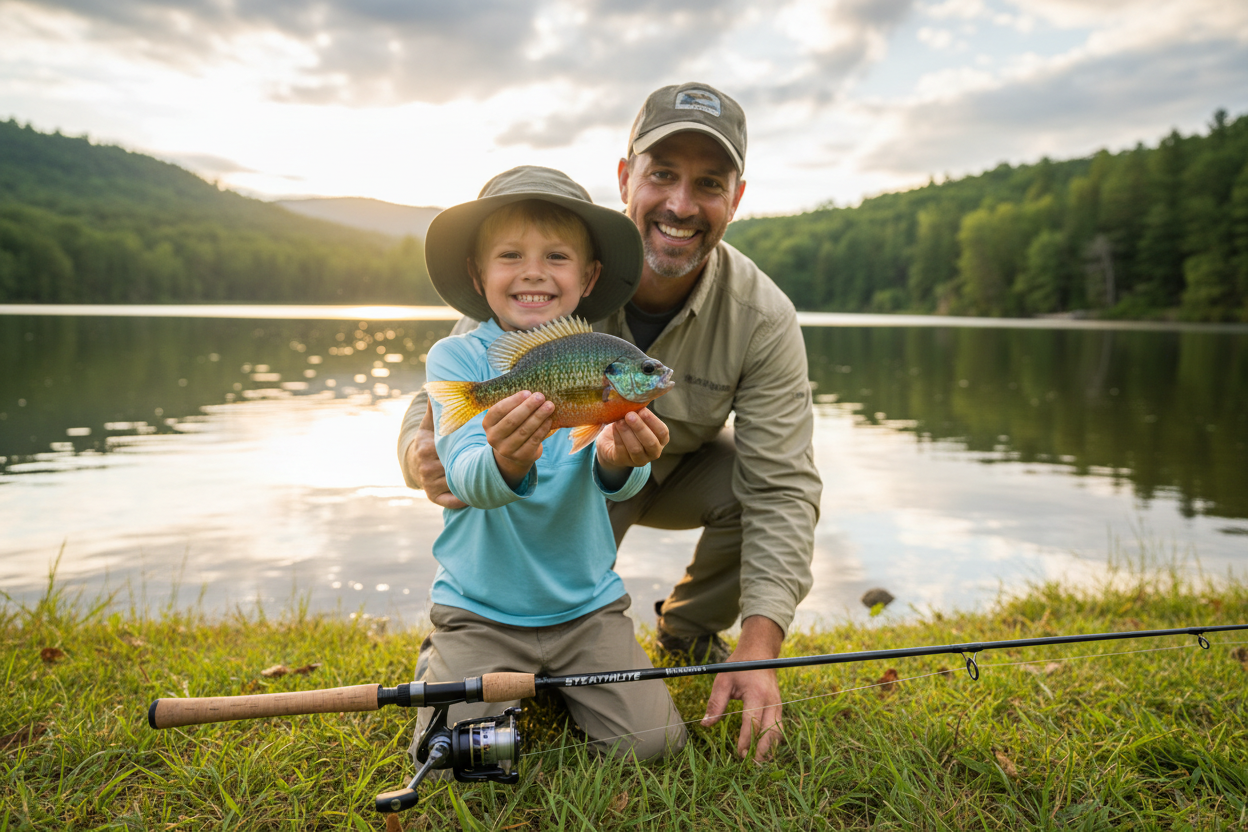
What is the best bait for sunfish? This simple question is the gateway to a fast-paced fishing adventure. This guide will show you how to catch bluegill and crappie using specialized gear that turns every small strike into a major thrill.
 Identifying Your Targets: Bluegill, Crappie, and Sunfish
Understanding who you are fishing for is the first step toward a successful day.
Bluegill: The Hard-Fighting Schooling Fish
Bluegill are known for their round, saucer-like bodies and aggressive nature. Pound for pound, they are some of the hardest-fighting fish in freshwater. If you find one, you’ve likely found a hundred, as they travel in large schools.
Crappie: The Silver-Scaled Delicacy
Crappie are slightly larger and have more elongated bodies. They are prized for their incredibly tender, white meat. Unlike bluegill, crappie prefer to hang around submerged brush and fallen trees, often in slightly deeper water.
Why Ultra Light Gear is the Secret to Success
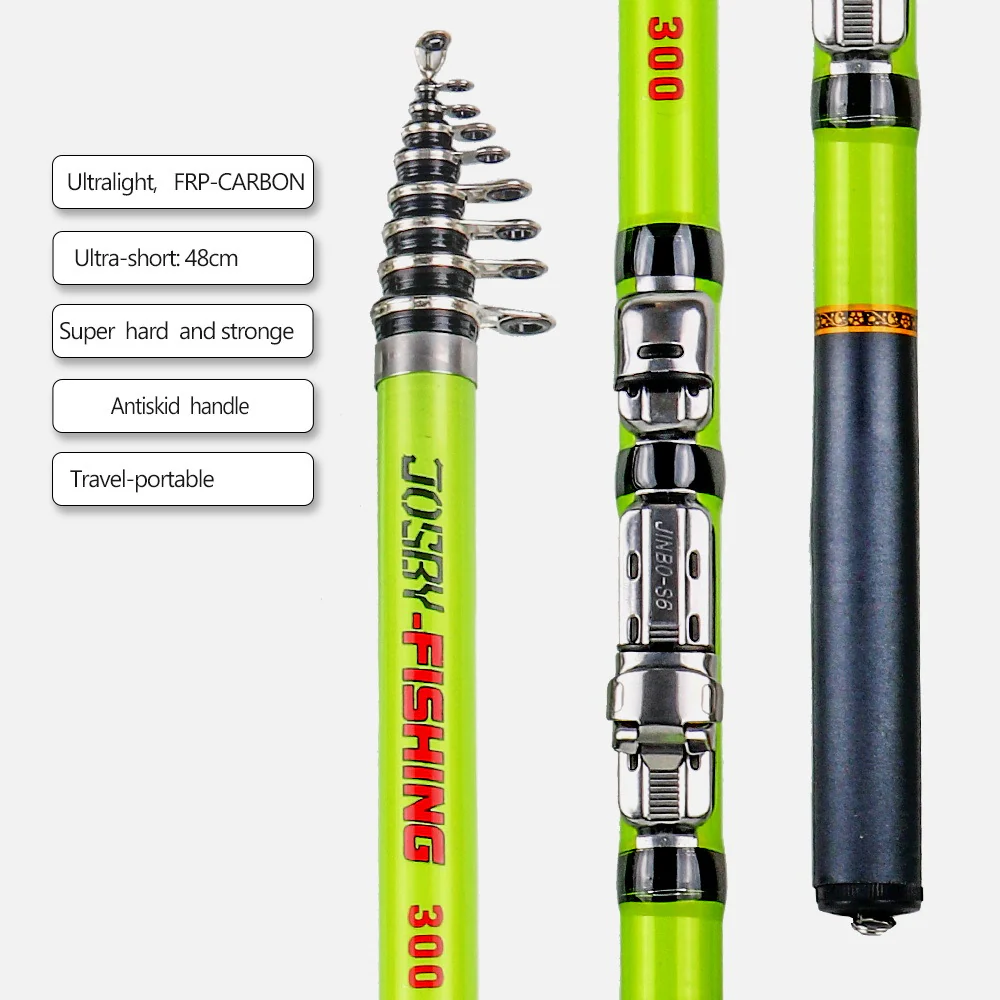
You wouldn’t use a sledgehammer to drive a thumbtack, and you shouldn’t use heavy bass gear for panfish. To truly enjoy panfishing, you need an ultra light fishing rod.
Sensitivity for Tiny Bites
Panfish have small mouths and their bites can be extremely delicate. A high-quality carbon fiber ultra-light rod is sensitive enough to transmit that tiny “tap” through the blank to your hand instantly. You’ll feel bites you previously never knew were happening.
Making Every Fight Feel Like a Battle
When you use heavy gear, a small bluegill feels like pulling in a wet sock. But on an ultra-light setup, that same fish will bend your rod double and pull drag. It transforms a simple outing into an exciting battle, proving that you don’t need a 20-pound fish to have big fun.
The Best Lures for Panfish: Small but Deadly
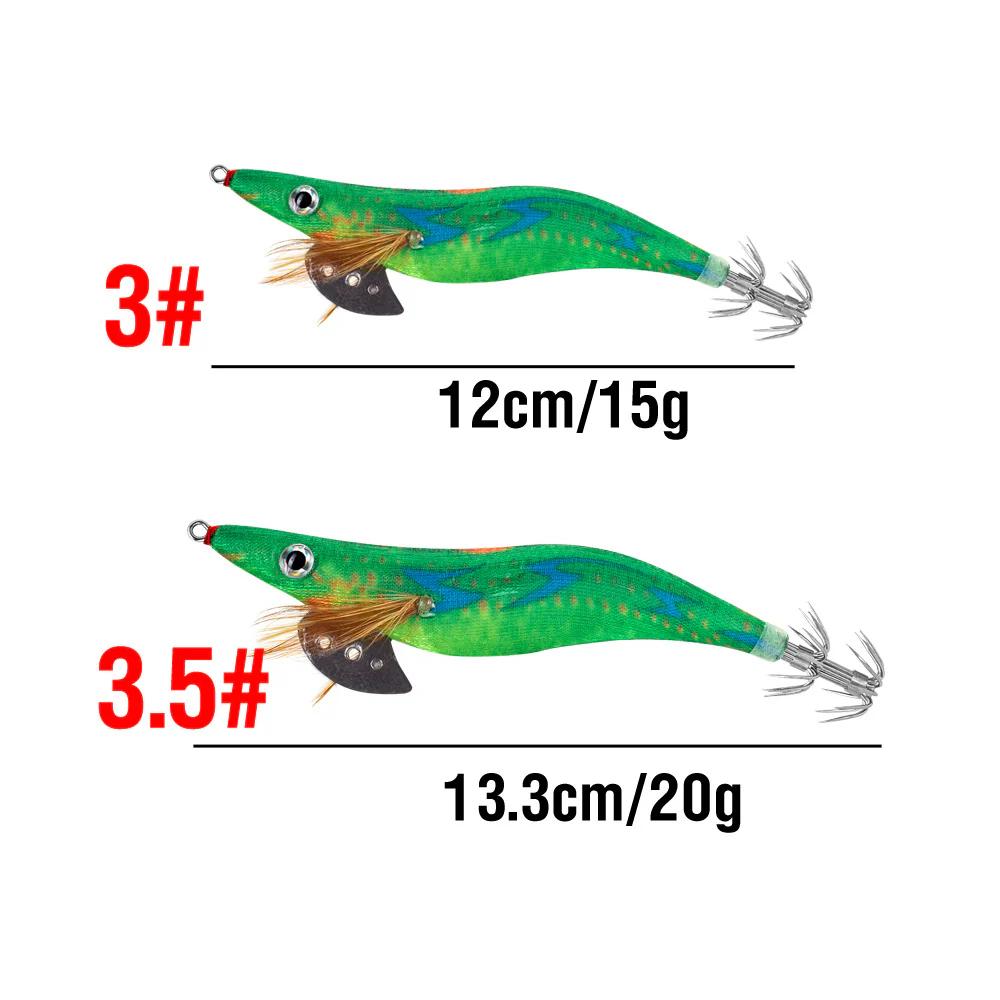
When it comes to panfish, small is always better. Here are the to stock in your box:
Micro Jigs and Curly Tail Grubs: 1/32 oz or 1/64 oz jigs paired with a tiny 1-inch grub are the gold standard. White, chartreuse, and pink are favorite colors.
Small Inline Spinners: These create flash and vibration that trigger aggressive strikes from active bluegill.
The Classic Bobber and Bait Setup: For absolute beginners or children, nothing beats a small piece of worm on a tiny hook suspended under a sensitive foam bobber.
Where to Find Panfish: Docks, Weeds, and Structure
Panfish stay where the food and cover are. They are rarely out in the middle of a lake with nothing around them.
Shallow Waters in Spring and Summer
During the warmer months, panfish move into shallow water to spawn and feed on insects. Look for them in 2 to 6 feet of water near the shoreline.
Fishing Under Docks and Around Sunken Brush
Docks provide instant shade and a place for algae and insects to grow—a perfect buffet for panfish. Crappie, in particular, love to hide inside submerged brush piles or fallen trees. If you find a dock with weeds nearby, you’ve found a panfish paradise.
Essential Gear Setup for Panfishing
To get the most out of your trip, your gear must be balanced. A heavy reel will ruin the sensitivity of a light rod.
The 1000-2000 Series Spinning Fishing Reels
Pair your ultra-light rod with a small reel. In the world of , the 1000 size is king for panfish. It’s light, holds the perfect amount of thin line, and balances the rod beautifully. You can learn more about choosing the right size in our guide to spinning reel sizes.
2-4lb Test Line: The Advantage of Thin Diameter
Fill Your Stringer, Create Memories
Panfishing is the soul of the sport. It’s about the frequency of catches, the beauty of the fish, and the joy of sharing the water with friends and family. By downsizing your gear to an ultra-light setup, you open a world of high-speed action that is available at almost any local pond or lake.
Ready to experience the thrill of the light fight? Explore our collection of high-performance gear and get ready to fill your stringer.
FAQ: Top Panfish Questions Answered
What is the best time of day to catch bluegill? Bluegill are most active during the day when the sun is out, as they rely heavily on sight to find insects. Early morning and late afternoon are generally the most productive, but unlike bass, you can successfully catch bluegill all through the midday sun.
What is the best depth for crappie? Crappie usually stay deeper than bluegill. While bluegill might be in 3 feet of water, crappie are often found in 8 to 15 feet of water, suspended around submerged trees or brush. Using a “slip bobber” is a great way to get your lure down to the exact depth where crappie are holding.
Do I need a steel leader for panfish? No. Panfish do not have sharp teeth that can cut your line. A steel leader is heavy and highly visible, which will actually prevent panfish from biting. Stick to a light, clear 2-4lb monofilament or fluorocarbon line for the best results. Find the perfect gear for your next family outing by