
You’ve done the research. You know a spinning reel is the right choice for you. But as you browse online, you’re hit with a wall of numbers: 1000, 2000, 2500, 3000, 4000… it’s a confusing code. What is the most versatile spinning reel size? And what do those numbers even mean? Don’t worry, this is one of the most common questions anglers have, and the answer is simpler than you think. This guide will break down the spinning reel sizes for you. We’ll explain exactly what each class of reel is for, so you can choose the perfect size for your target fish with total confidence. Once you know your number, you can explore our full range of spinning reels.
What Do Fishing Reel Size Numbers Actually Mean?
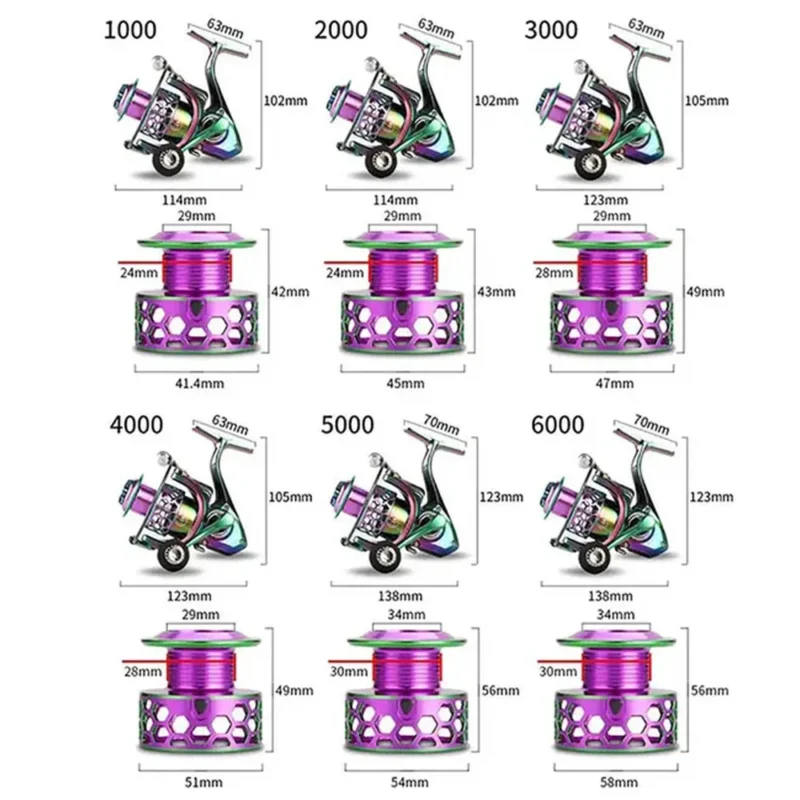
First, let’s clear up a major point of confusion. The numbers (1000, 2000, etc.) are not a standardized unit of measurement like inches or ounces. Think of them as size classes, like Small, Medium, and Large. A 2500-size reel from one brand will be roughly the same size as a 2500-size reel from another.
Ultimately, the size number is a general indicator of three things:
- Spool Size: A larger number means a larger spool.
- Line Capacity: A larger spool holds more (or heavier) fishing line.
- Overall Weight & Strength: Larger reels have bigger frames, gears, and more drag power to handle bigger fish.
Small Reels (1000 & 2000): The Finesse Specialists
These are the ultralights of the reel world. A 1000 size fishing reel or a 2000 size is designed for delicate presentations and smaller fish.
Line Capacity & Best Line Types
They have small spools designed to hold light lines, typically in the 2-6 lb test range. They are perfect for monofilament or a very thin braid.
Target Species: Trout, Panfish, and Small Bass
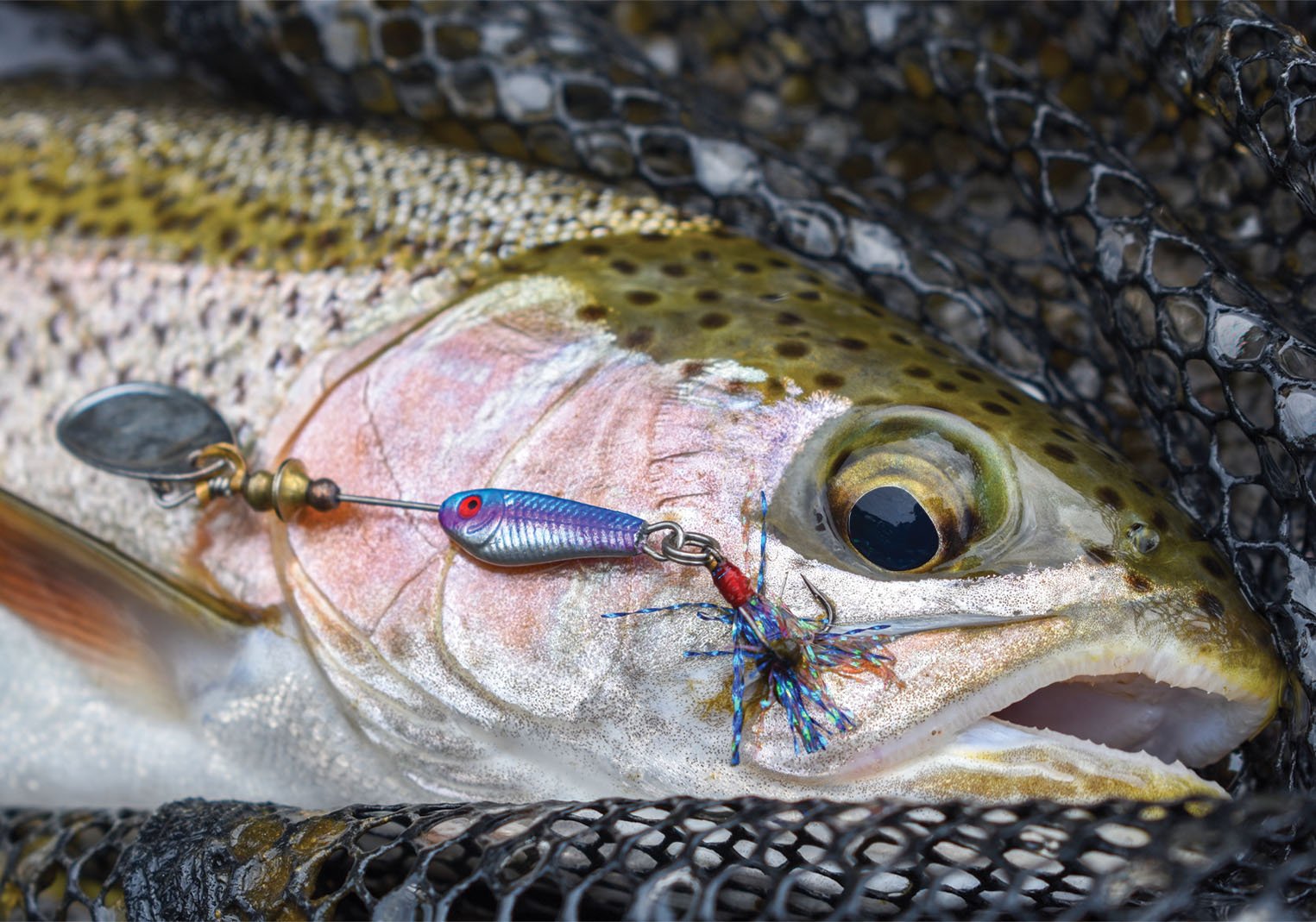
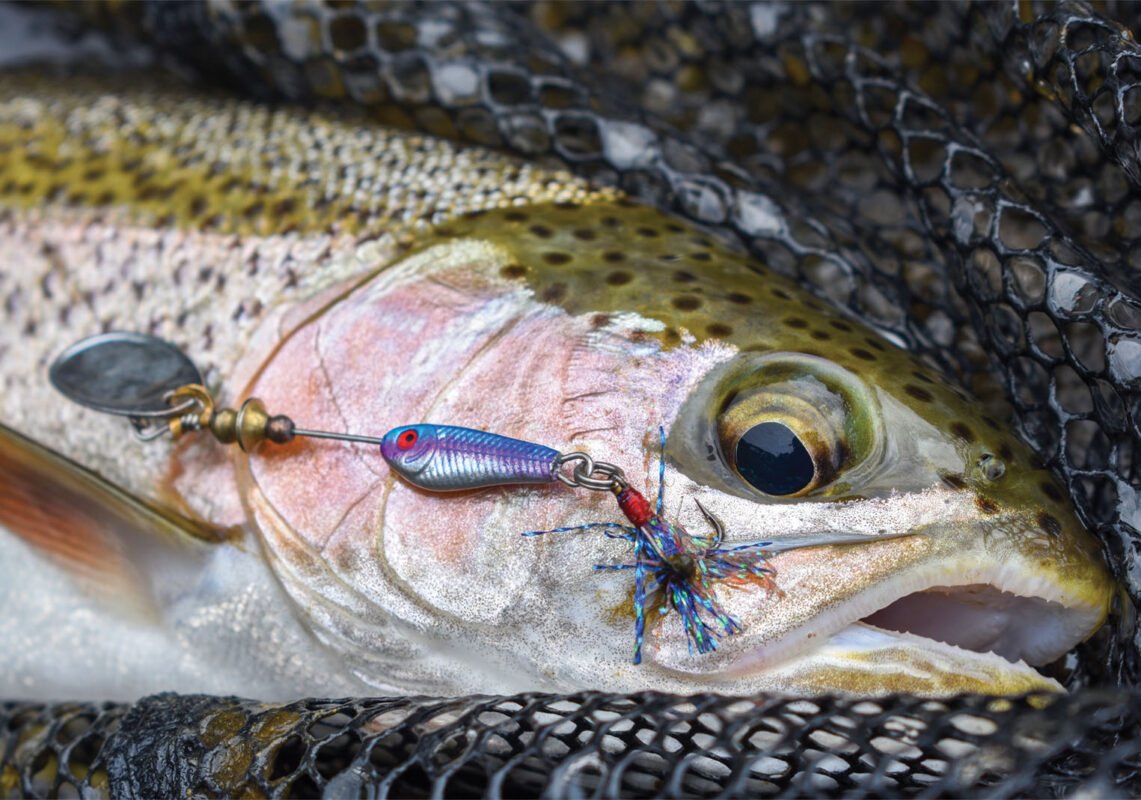
This is your go-to reel for trout in small streams, crappie, bluegill, and perch. They make fighting a small fish feel like a big battle.
Best Rod Pairing: Ultra Light to Light Power Rods
To maintain balance, these small reels must be paired with an Ultra Light or Light power rod, usually between 5′ and 6’6″ long.
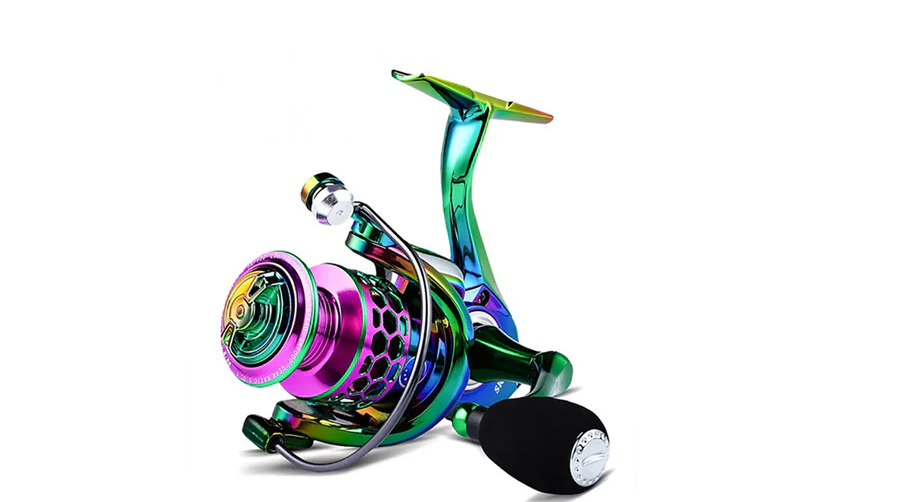
Medium Reels (2500 & 3000): The All-Around Workhorses
If you’re looking for the Swiss Army knife of fishing reels, you’ve found it. The 2500 and 3000 size range is by far the most popular and versatile.
Line Capacity & Best Line Types
These reels have the perfect capacity for the most common line weights, from 6-12 lb monofilament or 10-30 lb braid. A 3000 fishing reel is often considered the ideal size for a huge variety of freshwater applications.
Target Species: Bass, Walleye, Catfish
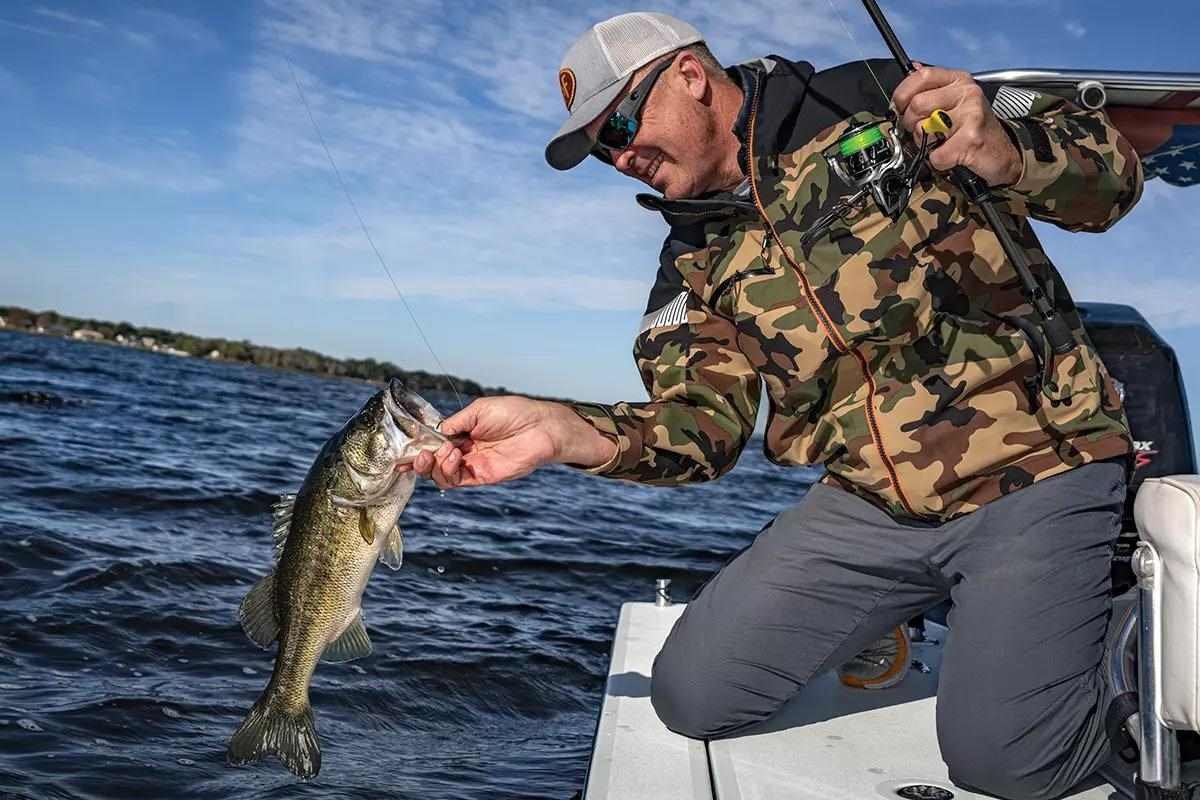
This is the reel that can do it all. It’s the standard for bass fishing, perfect for walleye, and can handle a surprisingly large catfish. It’s the definition of a multi-purpose tool.
Best Rod Pairing: Medium-Light to Medium Power Rods
A 2500 or 3000 size reel balances perfectly on a Medium-Light or Medium power rod, typically from 6’6″ to 7′ long. This is the classic, can’t-go-wrong setup.
Large Reels (4000 & 5000): The Power Players
When you need more line capacity and heavier-duty components, you step up to the 4000 and 5000 size class.
Line Capacity & Best Line Types
These reels are built to handle heavier lines, from 10-17 lb monofilament or 20-50 lb braid. A 4000 fishing reel has a deep spool for lots of line and a more powerful drag system.
Target Species: Pike, Salmon, Inshore Saltwater Species
This is the reel you want for targeting big, powerful fish like northern pike, salmon, or for light inshore saltwater fishing for species like redfish, snook, and speckled trout.
Best Rod Pairing: Medium to Medium-Heavy Power Rods
These larger reels balance best on longer, more powerful Medium or Medium-Heavy power rods, usually 7′ or longer.
A Quick Reference Chart: Match Your Reel Size to Your Needs
Let’s make this even easier. Use this chart to quickly find your perfect size.
| Reel Size | Common Line (lb Mono) | Common Target Fish | Ideal Rod Power |
|---|---|---|---|
| 1000-2000 | 2-6 lb | Trout, Panfish, Crappie | Ultra Light, Light |
| 2500-3000 | 6-12 lb | Bass, Walleye, Catfish | Medium-Light, Medium |
| 4000-5000 | 10-17 lb | Pike, Salmon, Inshore Saltwater | Medium, Medium-Heavy |
Don’t Just Guess, Choose the Right Size
The numbers on a spinning reel are no longer a mystery. They are a simple guide to help you build a perfectly balanced and effective fishing setup. By matching the reel size to your target fish and pairing it with the right power rod, you’re ensuring your gear works for you, not against you. For most anglers starting out, a 2500 or 3000 size reel is the undisputed champion of versatility.
Now that you know your size, the fun part begins. Explore our full range of spinning reels and find the perfect engine for your fishing adventures.
FAQ: Your Spinning Reel Size Questions Answered
What’s the difference between a 2500 and 3000 size reel? Honestly, not much. Often, the only difference is a slightly deeper spool on the 3000, allowing for more line capacity. The body, frame, and gears are frequently identical. If you need a little extra line for long casts or fighting big fish, go with the 3000. For most situations, they are virtually interchangeable.
Can I use a 4000 size reel for bass fishing? You can, but it’s usually overkill and will likely feel heavy and unbalanced on a standard medium-power bass rod. A 4000 size reel is better suited for heavier techniques like casting large swimbaits or for fishing in saltwater, where the extra line capacity and durability are a bigger advantage.
Are reel sizes the same across all brands? They are generally very close, but not 100% standardized. A 2500 size from one brand may feel slightly smaller or larger than another. However, they are all in the same class and will be designed for the same type of fishing. It’s a reliable guide for choosing the right category of reel for your needs. Find your perfect match by browsing our selection.