

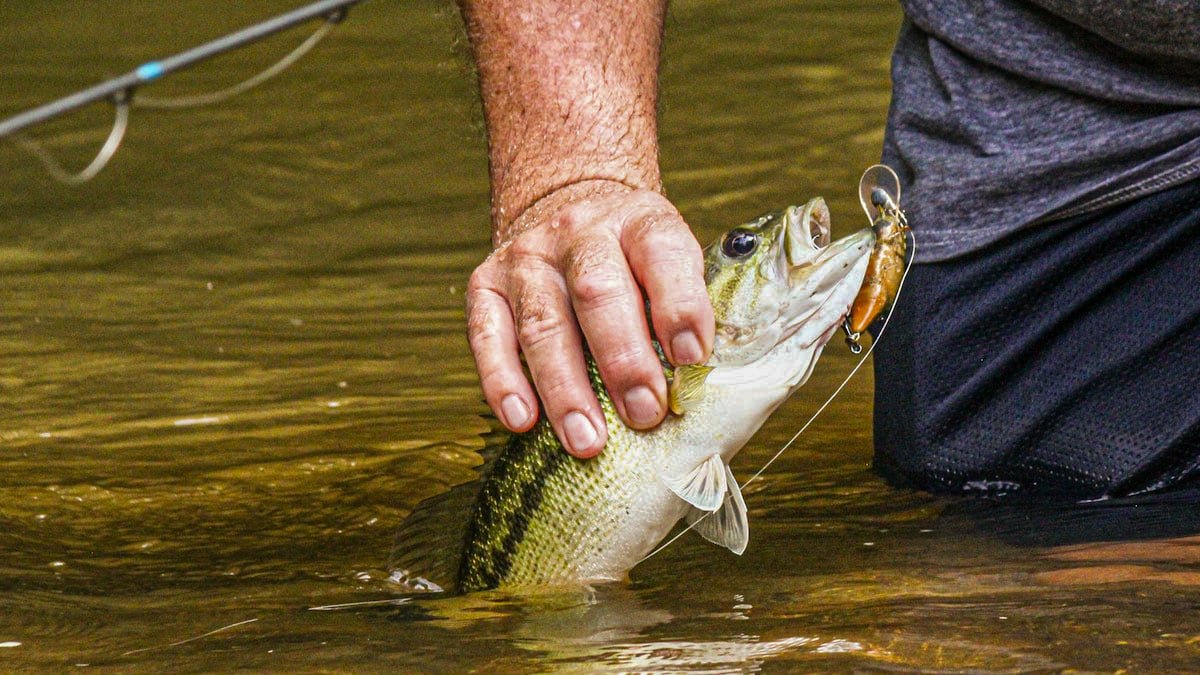
The wall of fishing lures at a tackle shop is a sight to behold. It’s also completely overwhelming for a beginner. With thousands of options, how do you know where to start? What colors should I get for these 5 lures? It’s easy to fall into the trap of buying dozens of lures you don’t need. But what if you could build a complete, fish-catching arsenal with just five? You can. We’re going to cut through the clutter and give you a simple, affordable, and highly effective 5-lure starter kit. These are the essential lures that work in a huge variety of situations. Master these five, and you’ll be ready to catch fish anywhere. For a look at proven fish-catchers, you can shop our collection of these must-have lures.
Lure #1: The In-Line Spinner
If there is one “idiot-proof” lure on the planet, this is it. The in-line spinner is a classic for a reason: it flat-out works.
Why It Works (Flash and Vibration)
An in-line spinner consists of a metal blade that spins around a wire shaft. This rotation creates a bright flash and a distinct vibration in the water that fish can see and feel from a long way off. It perfectly imitates a small, fleeing baitfish.
How to Fish It (The “Cast and Reel” Method)
This is the easiest lure to use. Simply cast it out and reel it back in at a steady pace. That’s it! The lure creates its own action. You can vary your retrieve speed, but the core technique is as simple as it gets.
Target Species (Trout, Panfish, Bass)
This lure is a multi-species magnet. It’s one of the best trout lures ever made, fantastic for panfish like crappie and perch, and will even catch plenty of bass.
Lure #2: The Paddle Tail Swimbait
This is one of the most versatile and realistic beginner fishing lures you can own. It looks and swims just like a real baitfish.
Why It Works (Realistic Swimming Action)
A paddle tail swimbait is a soft plastic lure with a boot-shaped tail. When retrieved, this tail kicks back and forth, making the lure’s body wobble just like a swimming fish. To a predator, it looks like an easy meal.
How to Fish It (Steady Retrieve or Bottom Bouncing)
The most common way to fish it is on a weighted hook called a jig head. Cast it out and reel it in with a slow, steady retrieve. You can also let it sink to the bottom and hop it back to the boat.
Target Species (Literally Everything)
From small bass to giant pike and even saltwater species, almost every predatory fish will eat a paddle tail swimbait.
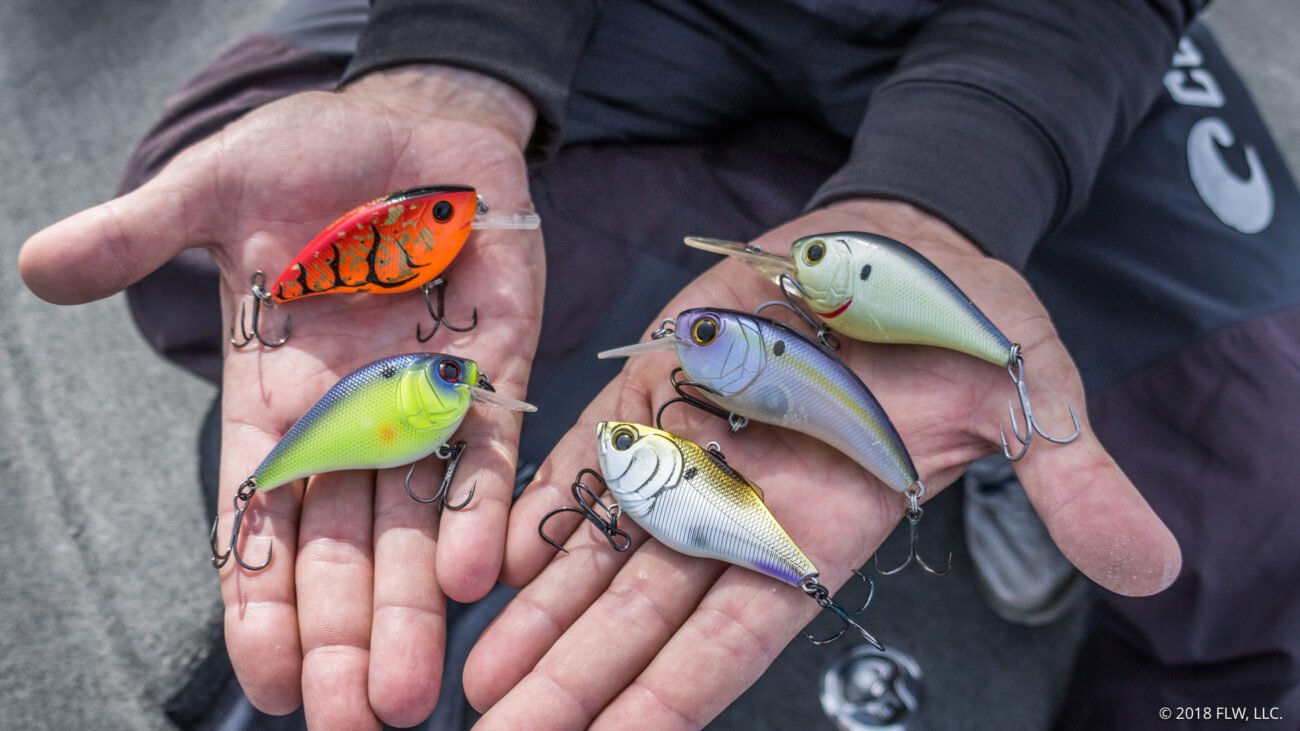
Lure #3: The Diving Crankbait
A crankbait is your search tool. It’s the best way to explore different depths and find where the fish are hiding.
Why It Works (Covering Water to Find Fish)
This hard-bodied lure has a plastic lip that makes it dive when you reel it in. By choosing crankbaits with different lip sizes, you can effectively target fish hiding in 5, 10, or even 15 feet of water. Its wobbling action and rattling sound call fish in from a distance.
How to Fish It (Bumping Off Cover to Trigger Strikes)
Cast it past your target and reel it down. The magic happens when the crankbait bumps into cover like rocks or logs. This erratic deflection often triggers a reaction strike from a nearby fish.
Target Species (Bass, Walleye, Pike)
Crankbaits are a staple for bass anglers and are also extremely effective for other predators like walleye and pike.
Lure #4: The Topwater Popper
Get ready for the most exciting strikes in fishing. A topwater popper is pure adrenaline.
Why It Works (Mimics Injured Baitfish)
A popper has a cupped face that spits and “pops” water when you twitch it. This commotion on the surface sounds and looks like a struggling baitfish, an easy meal that big fish can’t resist.
How to Fish It (The “Pop and Pause” Cadence)
Cast the popper near cover like lily pads or docks. Give your rod tip a short, sharp twitch to make it “pop,” then pause for a few seconds. The strike almost always comes during the pause.
Target Species (Mainly Bass and Pike)
While other fish will hit a popper, it’s a world-class lure for bass and pike, especially in the calm conditions of the morning or evening.
Lure #5: The Wacky Rigged Senko (Soft Plastic)
When fish are being picky and won’t hit anything else, this is the secret weapon. It is, without a doubt, one of the best bass fishing lures ever created.
Why It Works (Irresistible Slow Fall)
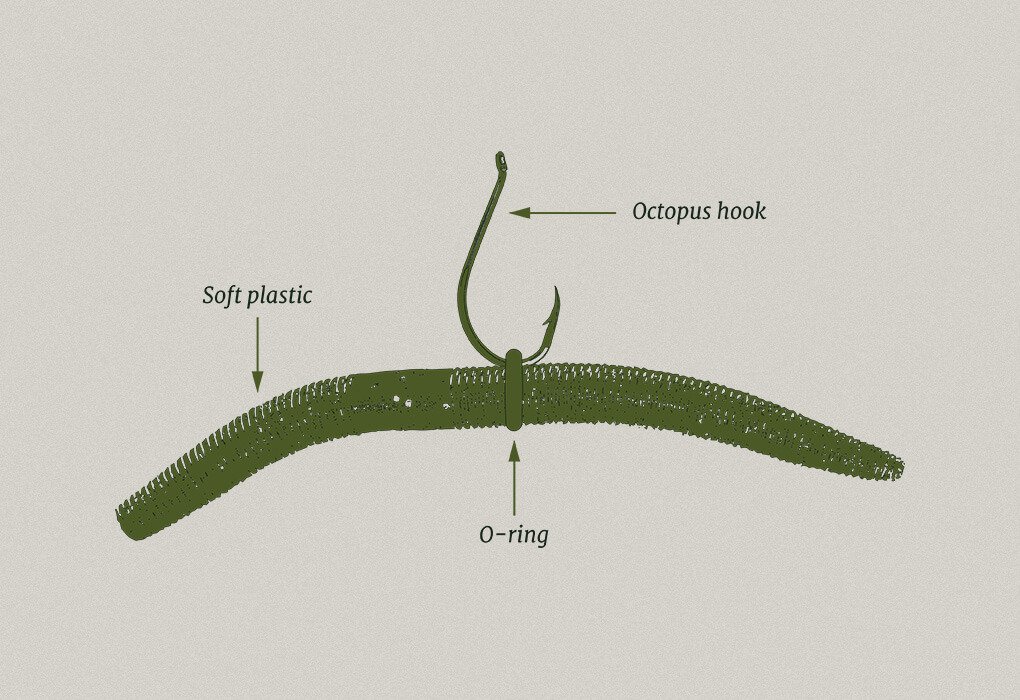
A Senko is a simple, soft plastic stick bait. When you hook it right through the middle (this is called a “wacky rig”), it has an incredible, subtle wiggle as it falls slowly to the bottom. This slow, shimmying action drives bass crazy.
How to Fish It (Cast, Let it Sink, Twitch)
This is a “finesse” technique. Cast the wacky rig to a specific target, like a dock post or weed edge. Then, do nothing. Let it sink on a slack line, watching your line for a “tick” or for it to start swimming away. If you don’t get a bite on the fall, lift the rod tip to hop it off the bottom and let it sink again.
Target Species (The Ultimate Bass Catcher)
This lure is specifically for bass. If you want to get good at bass fishing, you must learn how to use a wacky rigged Senko.
Your 5-Lure Starter Kit is Complete
That’s it. Forget the overwhelming wall of options. With these five lures—an in-line spinner, a paddle tail swimbait, a crankbait, a popper, and a pack of Senkos—you have all your bases covered. You can effectively fish on the top, in the middle, and on the bottom of the water column.
Stop guessing. Start catching. Shop our collection of these proven fish-catchers and build your beginner tackle box with confidence.
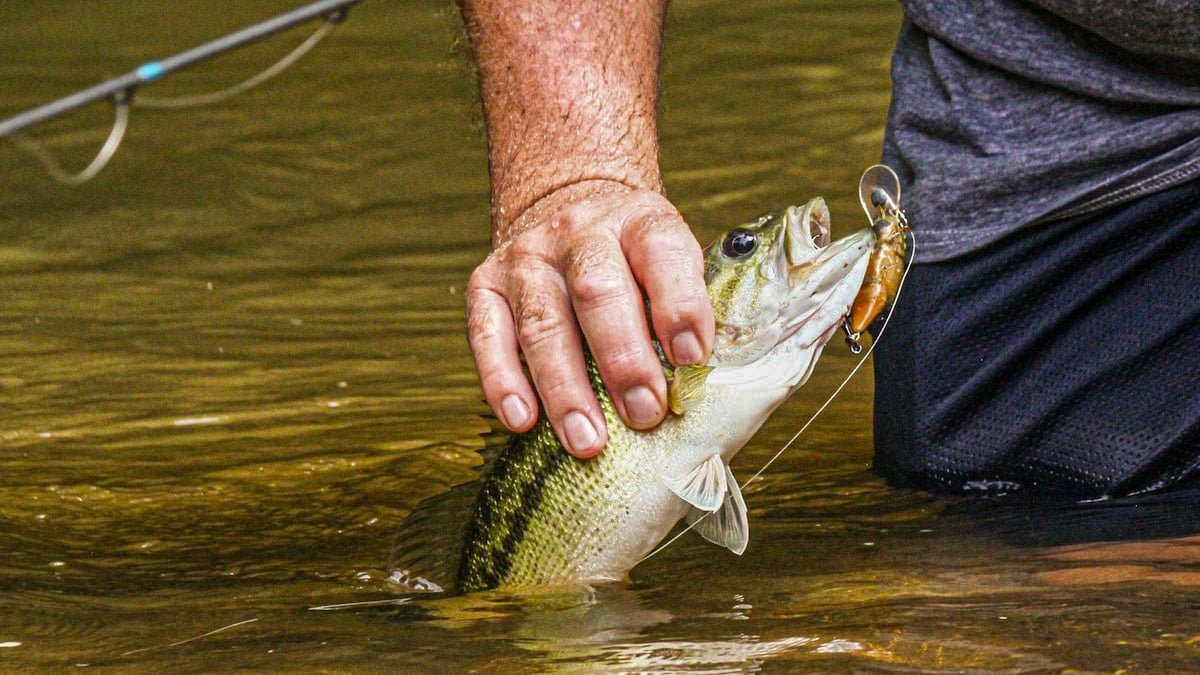
FAQ: Your First Lure Fishing Questions Answered
Do I need a special rod and reel for these lures? No. All five of these lures can be fished effectively on the versatile beginner combo we recommend: a 6’6″ to 7′ medium-power, fast-action spinning rod with a 2500 or 3000-size reel. This setup is perfect for handling the weight and action of these lures.
How many of each lure should I buy? It’s a good idea to have a couple of each. Lures can get snagged and lost. For soft plastics like the paddle tail swimbaits and Senkos, you buy them in bags, so you’ll have plenty. For the hard baits, having one or two of each is a great start.
What colors should I get for these 5 lures? A fantastic starting point is to get each lure in two basic color patterns: one natural and one bright. For example, a silver spinner (natural) and a chartreuse spinner (bright). A green pumpkin Senko (natural) and a black/blue Senko (dark/bright). This prepares you for both clear and murky water conditions. Find the perfect color for your water in our lure selection.