
We’ve all seen that angler on the water—the one who effortlessly launches their lure halfway across the lake and lands it precisely inches from a submerged log. For many beginners, however, casting feels like a struggle. Your lure either crashes at your feet or tangles in the trees behind you.
The secret to a great cast isn’t brute force; it’s physics. Mastering how to cast a spinning reel requires understanding timing, rod loading, and line control. In this guide, we’ll break down the perfect cast into simple steps and reveal the pro secrets for achieving maximum casting distance and accurate casting.
The Anatomy of a Perfect Cast: A Step-by-Step Guide
Before you swing, you need the correct foundation. A successful cast starts before you even move the rod.
The Setup: Finger Placement and Bail Position
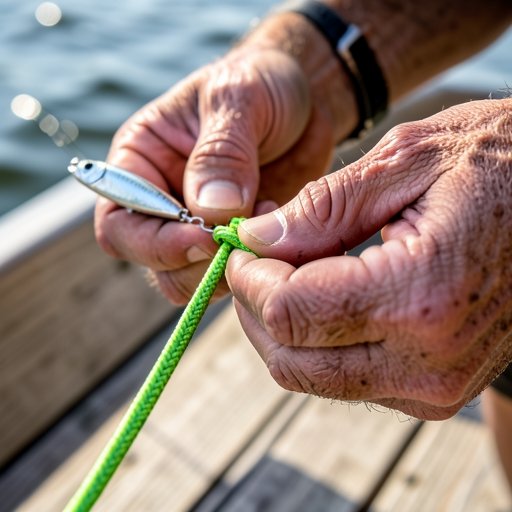
Hold the rod so the reel stem is between your middle and ring fingers. Rotate the bail until the line roller is directly underneath your index finger. Pinch the line against the rod handle with your fingertip and open the bail with your other hand. You are now “loaded” and ready.
The Release: Finding the “Sweet Spot”
Bring the rod back over your shoulder to the “2 o’clock” position. In one fluid motion, bring it forward. Release the line with your index finger when the rod reaches the “10 o’clock” position. Releasing too early sends the lure into the sky; releasing too late slams it into the water.
3 Pro Secrets for Increasing Your Casting Distance
If you feel like your casts are falling short, these three technical adjustments will add yards to your range instantly.
1. The Power of Rod Loading
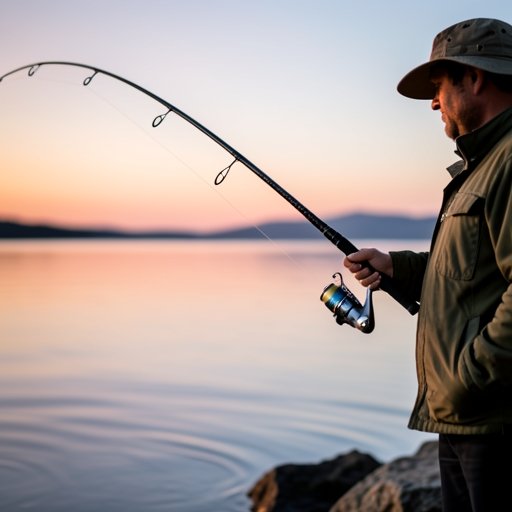
Your rod is essentially a spring. When you bring the rod back and snap it forward, the weight of the lure bends the blank. This is called “loading.” High-quality carbon fiber fishing rods store and release this energy much more efficiently than fiberglass, acting like a catapult for your lure.
2. The Pendulum Effect
Don’t reel your lure all the way to the tip. Leave about 12 to 18 inches of line hanging from the rod tip before you cast. This creates a pendulum effect that increases the centrifugal force during your swing, resulting in more momentum.
3. Spool Design and Friction
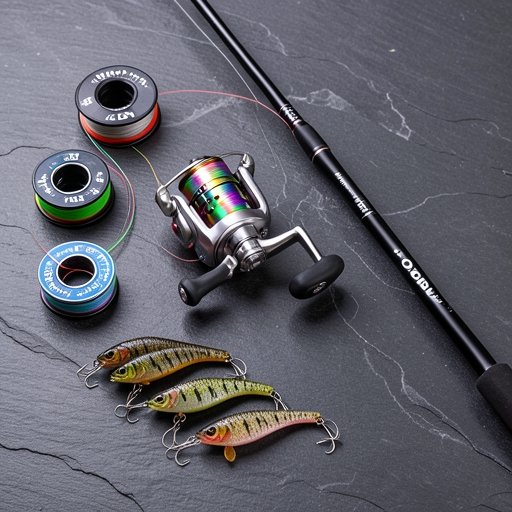
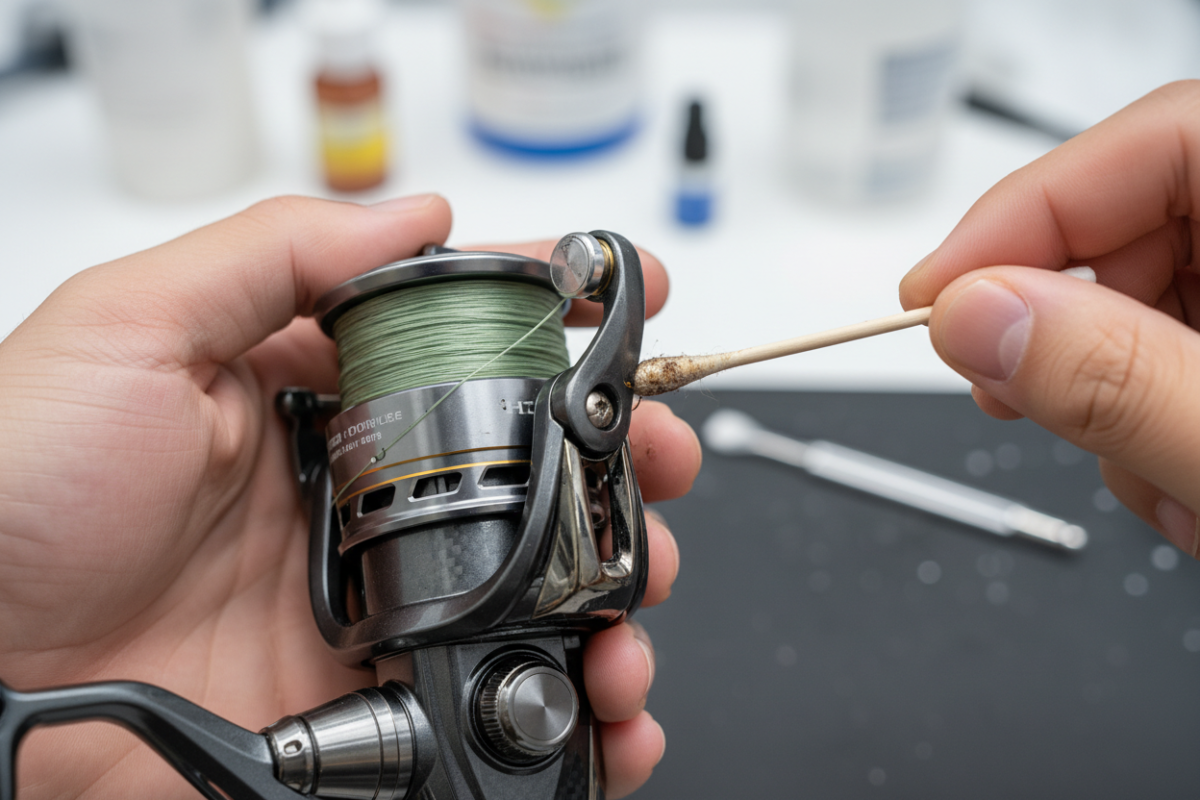
Friction is the enemy of distance. The AKAKUMA Colorful Metal Spinning Reel features a specialized bevel-cut spool lip. This angled edge allows the line to flow off the spool with significantly less resistance than standard flat-edged reels.
How to Achieve Pinpoint Accurate Casting
Distance is useless if you can’t hit the “strike zone.” Accuracy allows you to place your lure exactly where the fish are hiding.
The “Feathering” Technique
This is the ultimate pro skill. As your lure flies through the air, lightly touch the edge of the spinning spool with your index finger. This creates subtle friction that slows the line down, allowing you to stop the lure perfectly right before it hits the target.
Vertical Casting Trajectory
For the best accuracy, keep your rod movement strictly vertical—straight back and straight forward. Any side-to-side motion in your swing will cause your lure to drift left or right of your target.
Avoiding the Nightmare: Preventing Wind Knots
“Wind knots” are those frustrating loops that form on your spool during a cast. They usually happen when you reel in slack line too loosely.
Pro Tip: After your lure hits the water, close the bail manually with your hand rather than by turning the handle. Give the line a small tug to ensure it is seated firmly against the line roller before you start reeling. This simple habit eliminates 90% of all tangles.
Conclusion: Practice Makes Progress
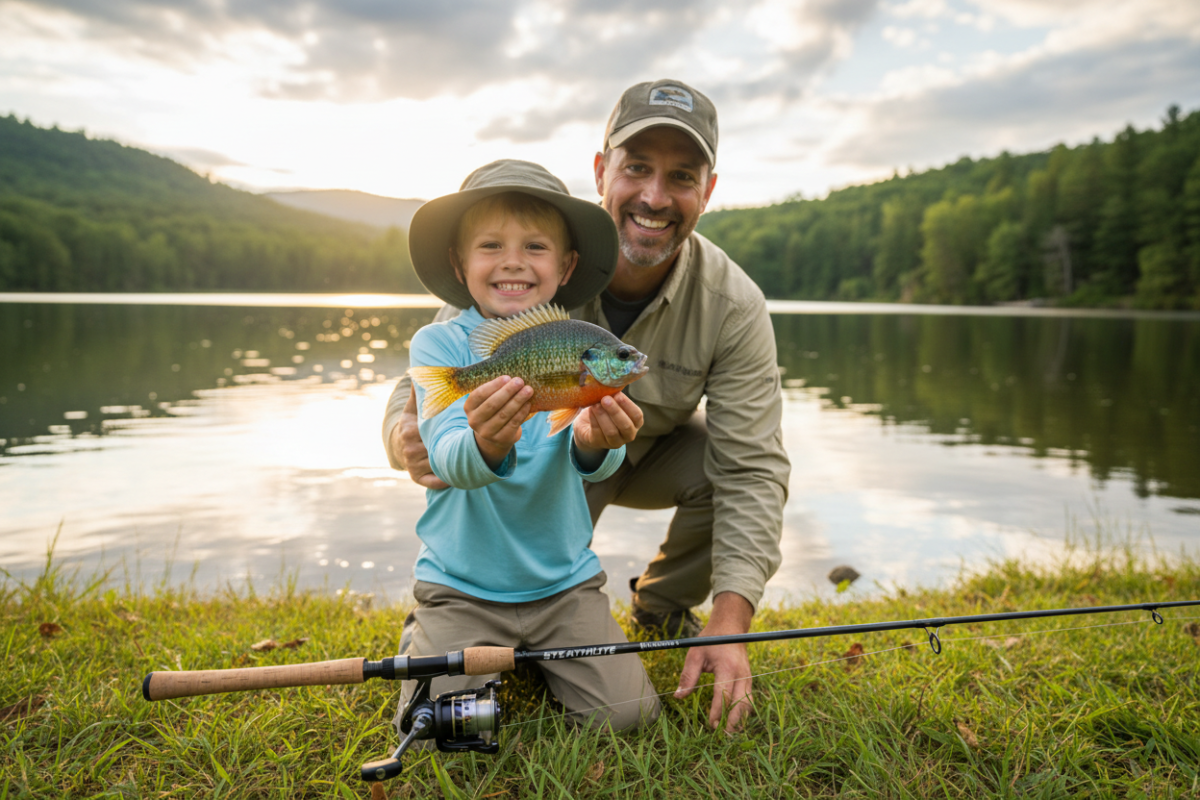
Casting is a physical skill that improves with every hour spent on the water. Don’t get discouraged by a few bad throws. Focus on your release timing and the “feathering” technique, and let your gear do the heavy lifting. By combining pro techniques with high-performance equipment, you’ll spend less time untangling lines and more time fighting fish.
Ready to see how far you can really cast? Explore our collection of long-casting reels and high-modulus carbon rods to upgrade your game today.
FAQ: Common Casting Problems Solved
Q1: Why does my lure tumble in the air? A: This usually happens when the lure is too light for the rod’s power rating or if your release was jerky. A smooth, accelerating swing ensures the lure flies straight and true.
Q2: Is a longer rod always better for distance? A: Generally, yes. A longer rod (like a 7′ or 7’6″) creates a longer lever, allowing for higher tip speeds. However, it must be balanced with the correct reel size to be effective.
Q3: Should I cast overhead or sidearm? A: Overhead is best for distance and general accuracy. Sidearm is useful when you are fishing under overhanging trees or need to keep the lure’s trajectory low to skip it under a dock. Find the perfect rod for every technique by browsing our selection.